Micro influencer marketing is a creator strategy where brands work with creators who usually have 10,000 to 100,000 followers and a focused audience. In India, this works well for startups, D2C brands, local businesses, and creator-led campaigns because micro influencers can offer niche trust, better audience fit, creator-style content, and clearer campaign learning than broad celebrity-led campaigns.
Introduction: Here is the simple truth
Brands often misunderstand micro influencer marketing. They think it means finding a creator with 20,000 followers, sending a free product, and waiting for sales.
That is a weak plan.
Micro influencer marketing works when the brand chooses the right creator, gives a clear brief, sets fair payment terms, checks audience quality, tracks results, and respects the creator’s natural voice.
For creators, becoming a micro influencer is also a professional step. It means moving from casual posting to media kits, pricing, brand pitches, content rights, disclosure rules, affiliate links, and repeat partnerships.
India needs this topic because the creator economy is becoming more structured. EY projected India’s influencer marketing sector to reach INR 3,375 crore by 2026, while BCG reported that India has 2 to 2.5 million monetised creators influencing over $350 to $400 billion in consumer spending.
This guide explains how micro influencer marketing works for Indian brands and how aspiring creators can grow into paid micro influencer opportunities.
Who This Guide Helps
This guide helps:
Indian startup founders
D2C brand teams
Local business owners
Marketing managers
Influencer marketing executives
Aspiring creators
Nano creators
Micro influencers in India
Student creators
Agencies and campaign teams
It supports one main decision:
Should you use micro influencer marketing, and if yes, how should you structure it without wasting money or creator effort?
For brands, the decision is about creator selection, platform fit, payment model, brief clarity, and tracking.
For creators, the decision is about niche, content quality, media kit, pricing, brand outreach, and long-term trust.
What Is Micro Influencer Marketing?
Micro influencer marketing means working with creators who have a focused audience and usually sit between 10,000 and 100,000 followers. The exact follower range can change by platform and industry, but this is the common benchmark used across influencer marketing reports and industry guides.
A micro influencer can be:
A fitness creator in Pune
A fashion creator in Jaipur
A parenting creator in Delhi NCR
A finance educator on YouTube
A food creator in Lucknow
A student creator with strong campus reach
A LinkedIn creator in HR, SaaS, or marketing
A regional language creator with strong local trust
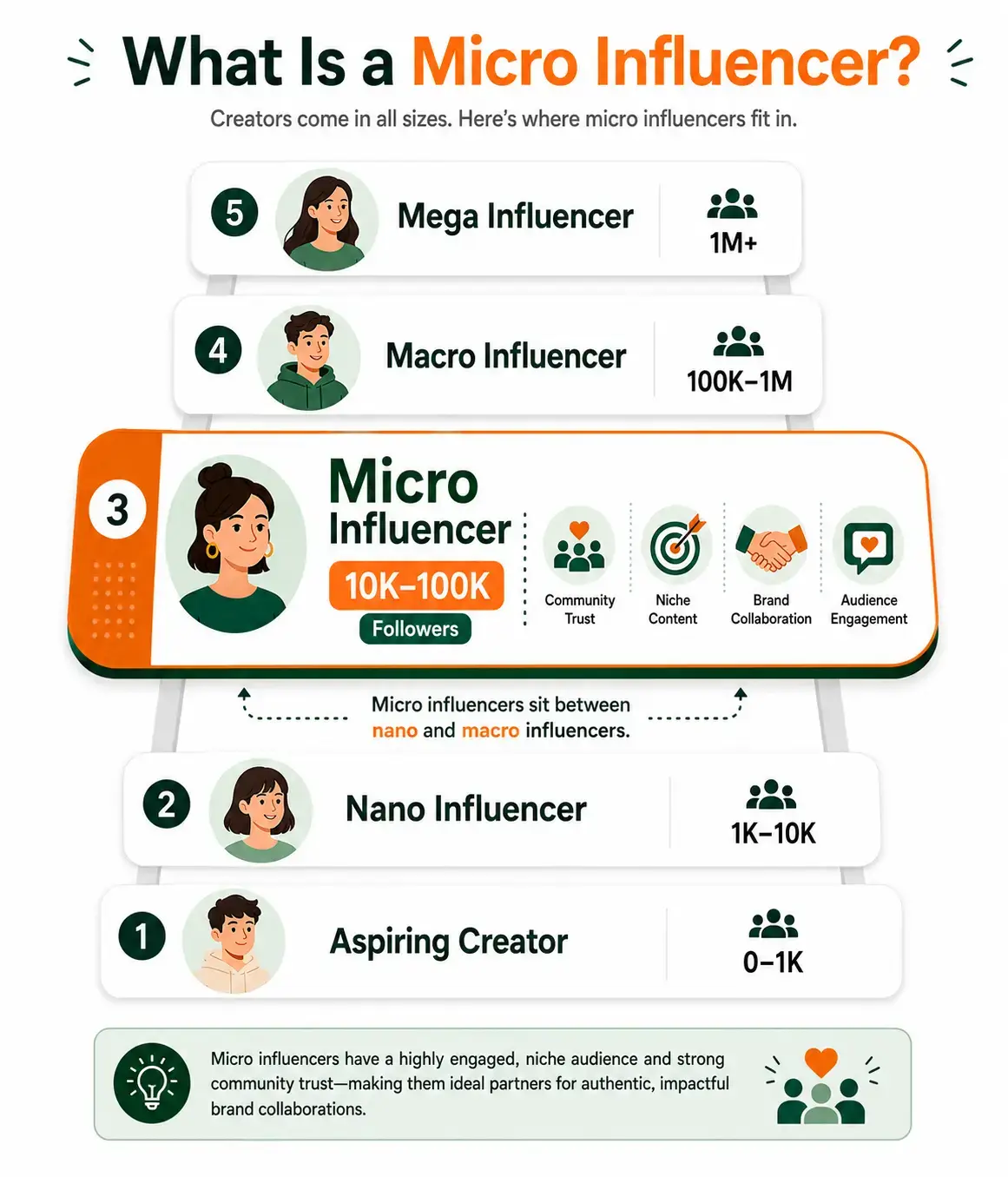
The main point: micro influence is about audience trust, not only follower count.
A creator with 30,000 followers and strong comments may be more useful for a niche product than a creator with 300,000 passive followers.
Micro influencer vs nano, macro, and mega influencers
|
Aspiring creator | 0 to 1,000 | Learning content, testing niche | No clear audience yet |
Nano influencer | 1,000 to 10,000 | Local trust, campus campaigns, early product seeding | Small reach |
Micro influencer | 10,000 to 100,000 | Niche campaigns, UGC, trust-led product discovery | Needs vetting |
Macro influencer | 100,000 to 1 million | Wider awareness and launch campaigns | Lower audience closeness |
Mega influencer | 1 million+ | Mass visibility | High cost and broader audience |
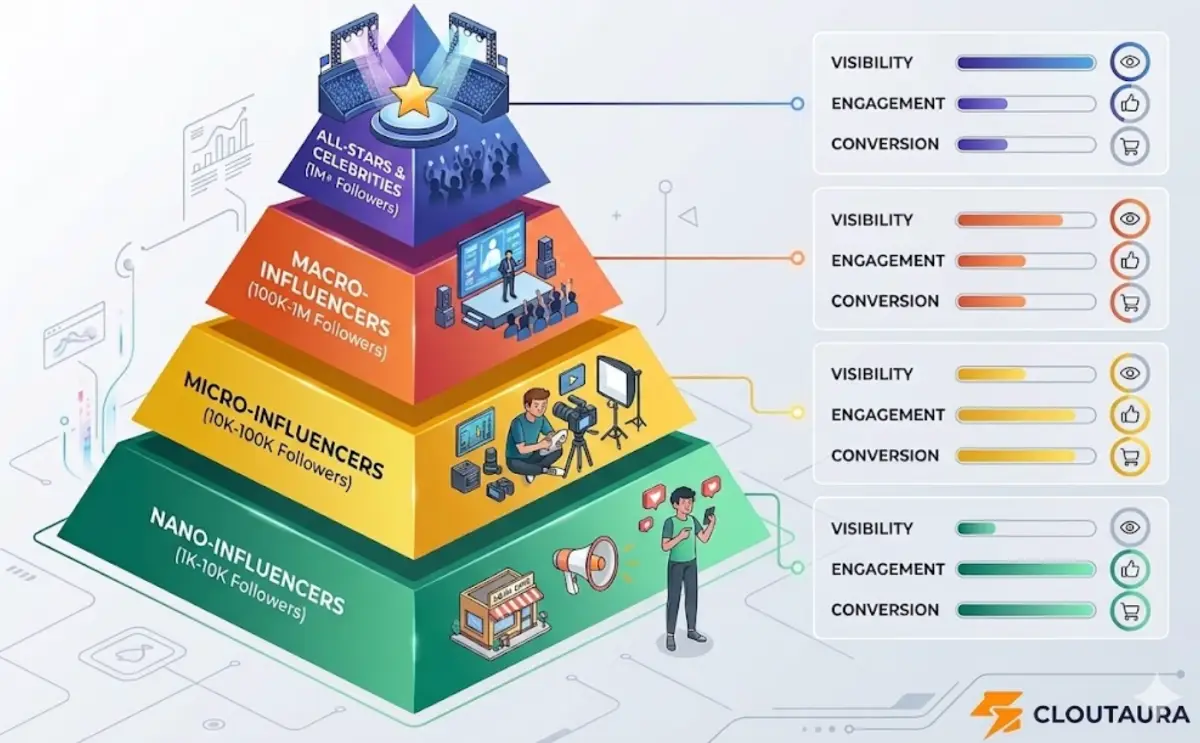
EY’s India report uses 10,000 to 100,000 followers for micro influencers and estimates India has 331K+ micro influencers, with an indicative engagement rate around 2.5% in its model.
Why Micro Influencer Marketing Works in India
Micro influencer marketing works in India because India is not one audience.
A beauty buyer in Mumbai, a college student in Dehradun, a food lover in Lucknow, a SaaS founder in Bengaluru, and a parent in Indore may all trust different creators.
That is why micro creators matter. They help brands reach smaller, more specific communities with better context.
Reasons why micro influencers matters in India
|
Regional language content | Hindi, Hinglish, Tamil, Bengali, Marathi, Telugu, Kannada, Malayalam, Punjabi, and other language content can feel closer to the audience |
Tier 2 and Tier 3 creator growth | Smaller-city creators often carry local trust that national creators may not have |
D2C and startup growth | Early brands need trust, product education, and creator-style content without huge media spends |
Short-form video habits | Reels and Shorts help small creators get discovered faster |
Campus and student communities | Student creators can work well for apps, food, fashion, events, edtech, and youth brands |
Niche knowledge | Fitness, skincare, finance, travel, gaming, parenting, and tech creators can explain products better than broad lifestyle accounts |
The India opportunity is large, but creator monetisation is still uneven. A PIB summary of BCG’s creator economy report said India has 2 to 2.5 million active digital creators, while only 8 to 10% currently monetise content effectively.
That gap creates room for better creator discovery, better creator education, and clearer brand workflows.
When Micro Influencer Marketing Works Best for Brands
Micro influencer marketing works best when the audience is specific and the product needs trust.
A brand should consider micro influencer when:
The product needs explanation.
The buyer wants social proof.
The brand wants UGC-style content.
The campaign is local or regional.
The budget is better spread across several creators.
The brand wants to test different hooks before spending more.
The category depends on repeated trust, like skincare, fitness, food, learning, finance education, parenting, fashion, or tech.
Sprout Social’s micro influencer guide notes that brands use micro influencers for targeted audiences, creator-style content, and creator partnerships where follower count is not the only signal.
Campaign ideas for Indian brands
|
D2C skincare | Routine videos and honest texture demos | Beauty micro influencers and UGC creators |
Local café | Food trail Reel series | City-based food creators |
Fitness app | 21-day habit challenge | Fitness creators and student creators |
Edtech platform | Study routine and exam prep content | Student creators and education creators |
Fintech app | SIP or budgeting explainers with disclaimer | Qualified finance educators |
Fashion brand | Budget styling and festive outfit series | Fashion micro-influencers |
SaaS brand | LinkedIn posts, webinars, and use-case videos | B2B creators and operators |
College festival | Campus creator contest | Student creators and nano creators |
Travel brand | Weekend itinerary videos | Regional travel creators |
Brands planning small creator campaigns can explore Cloutaura’s brand campaign workflow
When Micro Influencer Marketing Is Not the Right Choice
Micro influencer marketing should not be used blindly.
It may be the wrong first step if:
The product page is unclear.
The offer is weak.
The brand cannot define the target audience.
There is no tracking link, coupon code, landing page, or campaign report plan.
The team expects one Reel to solve a product problem.
The category has legal or claim risks, but the brand has no review process.
The creator is chosen only because the fee is low.
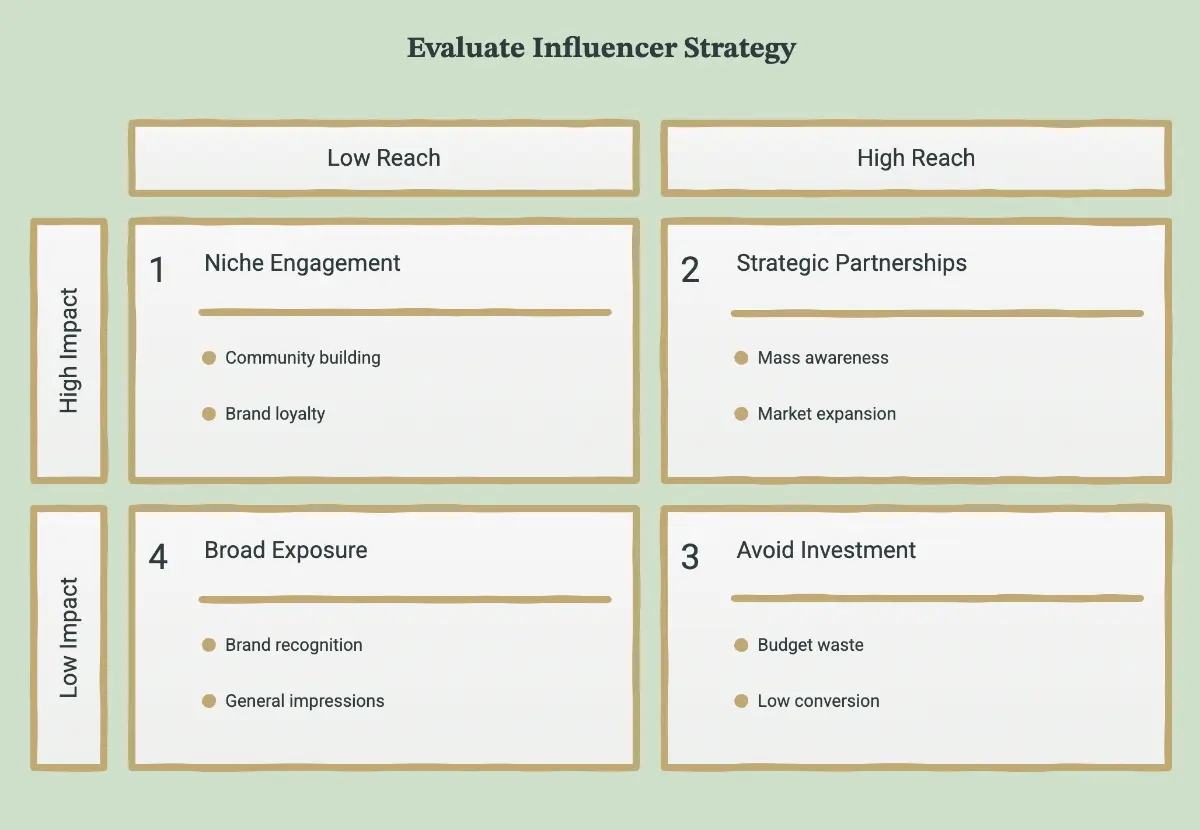
A micro influencer can help people notice and trust a product.
A creator cannot fix a poor offer, broken website, weak product page, confusing pricing, or delayed customer support.
Micro Influencer Pricing: How Much Do Micro Influencers Get Paid?
There is no single correct price for a micro influencer.
Pricing changes by:
Platform
Follower count
Engagement quality
Niche
City
Content format
Usage rights
Exclusivity
Turnaround time
Brand category
Creator experience
Production quality
Sprout Social cites a common pricing benchmark of $10 to $20 per post per 1,000 followers, with rates changing by content type and platform. Use this only as a global benchmark, not a fixed India rate card.
EY’s India report says 71% of brands in its marketer survey worked with influencers on a fixed fee model, while 29% were exploring performance-linked models.
Better way to think about micro influencer pricing
|
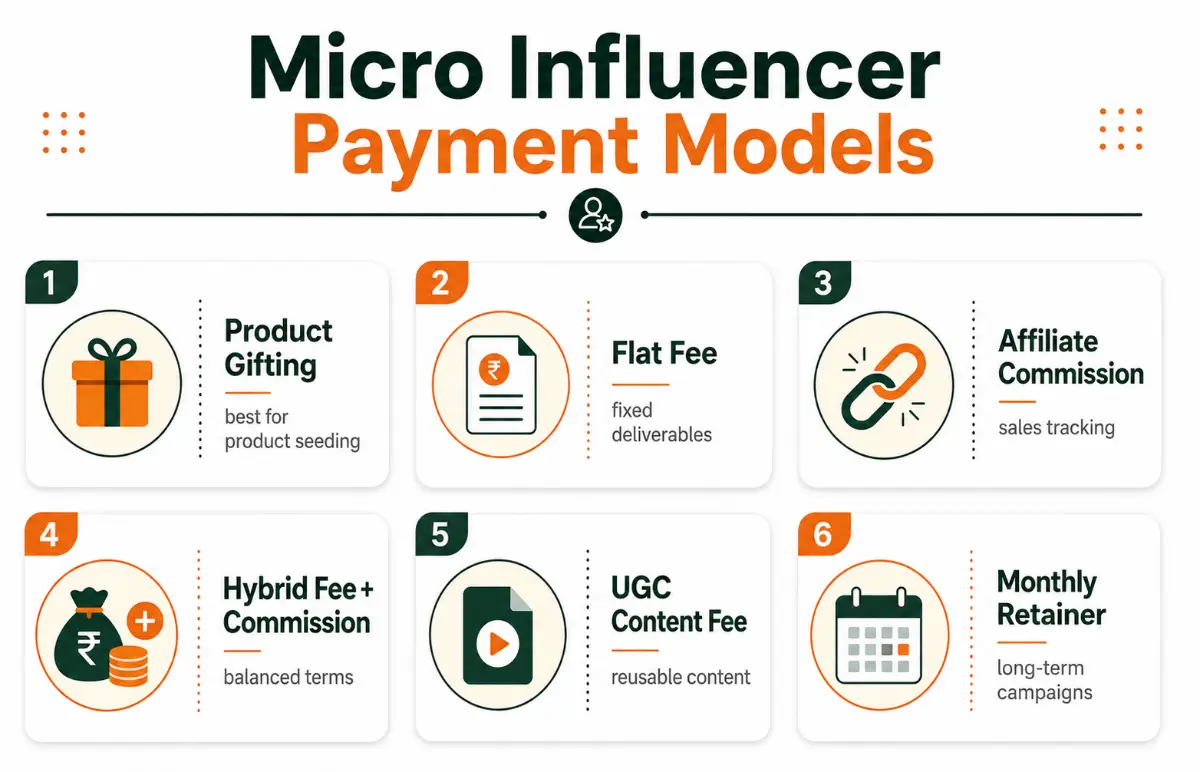
Product gifting | Early product seeding | Creator may spend time without payment | Content may not be guaranteed |
Flat fee | Fixed posts, Reels, Stories, Shorts | Limited upside if post performs well | Outcome is not certain |
Affiliate commission | E-commerce and D2C tracking | Income depends on sales | Needs strong tracking |
Hybrid fee plus commission | Balanced brand and creator terms | Needs clear reporting | Requires payout discipline |
UGC content fee | Brand-owned ad creatives | Creator must define usage terms | Usage rights must be written |
Monthly retainer | Long-term brand recall | Creator commits regular output | Needs campaign planning |
Simple pricing rule for creators
Do not price only by followers.
Price by:
Content effort
Audience fit
Engagement quality
Usage rights
Editing time
Exclusivity
Number of deliverables
Reporting effort
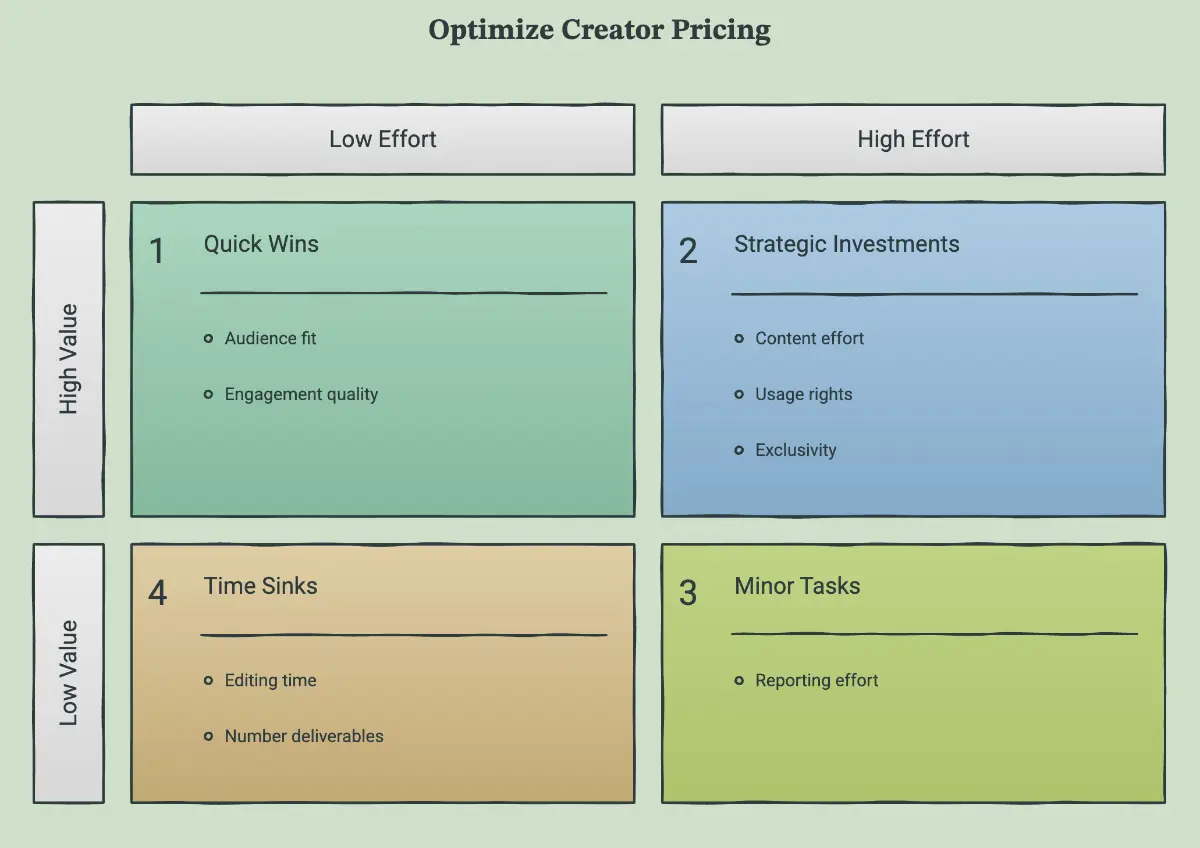
A creator with 15,000 followers who makes high-trust finance explainers may charge differently from a creator with 50,000 followers making simple lifestyle posts.
How Aspiring Creators Become Micro Influencers
A micro influencer is usually built in stages.
The creator starts by learning content, then builds trust, then learns brand work.
Creator growth journey
|
Aspiring creator | 0 to 1,000 | Learn niche, format, posting rhythm | Usually none |
Nano influencer | 1,000 to 10,000 | Community replies, early trust, local reach | Barter, small affiliate deals, small UGC work |
Micro influencer | 10,000 to 100,000 | Media kit, rates, brand pitches, repeat content | Paid posts, UGC, affiliate, ambassador work |
Macro influencer | 100,000 to 1 million | Team, manager, cross-platform work | Larger campaigns, products, events |
Mega influencer | 1 million+ | Brand building and mass reach | Large campaigns, launches, equity-style deals |
How to become a micro influencer with no experience
Start with one niche.
Better choices include:
Then build one repeatable content format.
Examples:
“3 outfits under ₹1,000”
“1 café in Delhi NCR every week”
“SIP basics in 60 seconds”
“Student creator diary”
“Small-town travel guide”
“Before you buy this skincare product”
“Founder lessons from Indian startups”
Creators should build a basic media kit once they have audience proof, content samples, engagement screenshots, niche description, platform links, rates, and past collaborations.
How Brands Should Find and Select Micro Influencers
Brands should not start with follower count.
Start with campaign fit.
A micro influencer with the wrong audience can waste the campaign. A smaller creator with the right city, language, niche, and trust can teach the brand more.
Mailchimp’s guide also points to niche expertise, engagement, content quality, and audience fit as important checks before choosing micro influencers.
Micro influencer selection scorecard
|
Audience fit | City, language, age, niche, buyer match | Prevents wasted reach |
Engagement quality | Comments, saves, shares, DMs, repeat viewers | Shows whether people care |
Content fit | Does the creator explain products well? | Protects brand message |
Brand safety | Past content, claims, tone, controversy risk | Reduces campaign risk |
Reliability | Timelines, reporting, edits, communication | Reduces operational stress |
Disclosure comfort | Can creator mark paid content clearly? | Protects trust and compliance |
Usage clarity | Can content be reused in ads or website pages? | Prevents rights disputes |
When discussing creator credibility, add: understand how Clout Index supports creator evaluation
When discussing fake followers or profile trust, add: learn how creator verification supports brand safety
The Cloutaura Micro Influencer Campaign Framework
A strong micro influencer campaign should feel simple from the outside and disciplined behind the scenes.
Here is a practical workflow.
|
1 | Define goal | Understand campaign purpose | Awareness, UGC, leads, sales, app installs, or trust |
2 | Choose audience | Confirm audience match | City, language, age, niche, platform |
3 | Shortlist creators | Share profile and content samples | Creator pool |
4 | Check trust signals | Share analytics and past work | Better creator fit |
5 | Build brief | Ask questions before accepting | Clear deliverables |
6 | Agree terms | Confirm fee, timeline, usage rights | Lower confusion |
7 | Create content | Keep natural voice within guardrails | Draft content |
8 | Review safely | Check claims and disclosure | Approved content |
9 | Publish | Share links and screenshots | Live campaign |
10 | Report and learn | Share campaign insights | Repeat or refine |
Tracking setup for micro influencer campaigns
|
UTM links | Website traffic | Which creator brought traffic |
Coupon codes | D2C sales | Creator-wise discount use |
Affiliate links | Commission campaigns | Sales and payout logic |
Landing pages | Leads and signups | Conversion quality |
Platform analytics | Content performance | Views, reach, saves, shares |
Creator screenshots | Manual review | Post-level proof |
Comment review | Trust and sentiment | What people asked or doubted |
Tracking matters because likes alone do not tell the full story.
A campaign with fewer views but high saves, clicks, and quality comments may be more useful than a viral post with no buyer action.
Micro Influencer Marketing for B2B Brands
Micro influencer marketing is not limited to fashion, beauty, food, or lifestyle.
B2B brands can also work with micro influencers.
In B2B, influence often comes from:
Consultants
Operators
Founders
HR leaders
Finance educators
SaaS creators
LinkedIn writers
Newsletter authors
Podcast hosts
Community builders
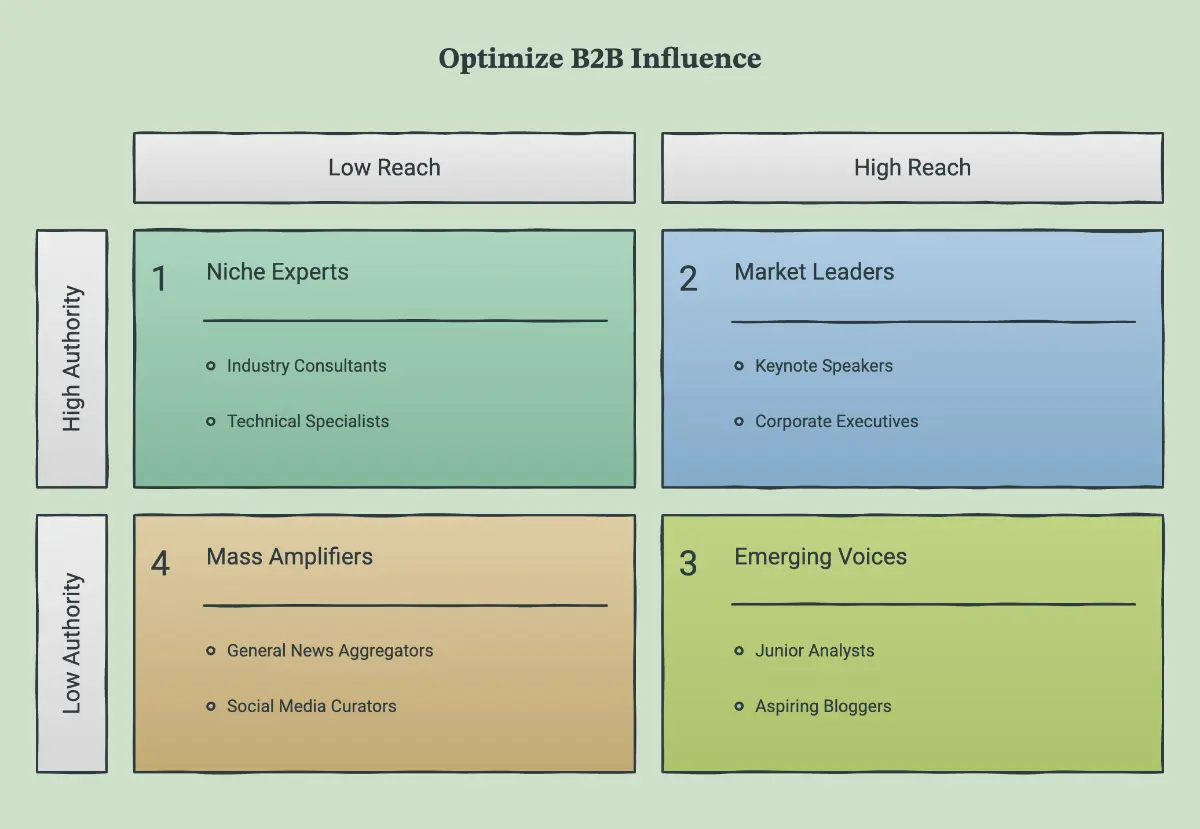
PartnerStack notes that in B2B, micro influence is often defined by audience quality and subject credibility, not follower count alone. It also lists formats such as sponsored posts, guest content, podcasts, webinars, newsletters, and co-marketing work.
B2B vs B2C micro influencer marketing
|
Common platforms | Instagram, YouTube, Facebook, Amazon | LinkedIn, YouTube, X, newsletters, podcasts |
Buyer journey | Faster, emotional, product-led | Slower, trust-led, approval-based |
Content type | Reels, UGC, reviews, tutorials | Posts, webinars, explainers, case-led content |
Measurement | Clicks, coupon use, sales, saves | Leads, demo requests, profile visits, newsletter signups |
Creator type | Lifestyle, food, fitness, beauty, fashion | Operators, consultants, founders, educators |
A SaaS company may not need a viral Instagram creator.
It may need a LinkedIn micro influencer trusted by HR heads, marketers, founders, or finance teams.
Myth vs Reality: Micro Influencer Marketing
|
Micro influencers are always cheap | Good creators charge for time, skill, audience trust, and usage rights |
10,000 followers automatically means brand-ready | A creator needs content quality, trust, consistency, and professional communication |
Instagram pays creators for every view | Platform monetisation rules differ, and brand deals are often a separate income stream |
Micro influencers work for free products | Some may accept gifting, but paid work is fair when deliverables, rights, or exclusivity are involved |
More followers always means better results | Audience fit and engagement quality often matter more |
One Reel can build a brand | Trust usually needs repeated contact and clear customer journeys |
TikTok is the main short-video path for India | TikTok remains blocked in India, so Indian brands should usually plan around Instagram Reels, YouTube Shorts, Facebook, Moj, ShareChat, and other available channels unless the target market is outside India. Indian government officials clarified in August 2025 that the TikTok ban had not been lifted. |
A micro influencer must be famous | Many micro-influencers are trusted in small niches, local markets, colleges, or professional communities |
Edge Cases Brands Usually Miss
1. Local creators can beat national creators
For a café, gym, clinic, salon, college event, real estate project, or local workshop, a city-based creator may perform better than a national lifestyle creator.
Local trust can matter more than broad visibility.
2. Finance and health need extra care
Finance, insurance, health, wellness, skincare claims, and education claims need stricter review.
The Department of Consumer Affairs says influencers and virtual influencers must disclose material connections with advertisers, and disclosures should be hard to miss.
ASCI’s influencer guidelines also define material connection and include benefits such as money, free products, discounts, gifts, trips, and other incentives.
3. Usage rights can cost more than the post
If a brand wants to reuse creator content in paid ads, website pages, product pages, emails, or marketplace listings, this should be written before the campaign starts.
Impact’s guide also stresses that usage rights should be handled upfront when brands want to reuse micro influencer content in paid ads or product pages.
4. Managing 30 creators is harder than hiring one macro creator
Micro influencer marketing can save money per creator, but it increases coordination.
The brand has to manage shortlisting, contracts, briefs, product delivery, content review, disclosure, posting, reporting, and payments for many people.
A spreadsheet may work for 5 creators. It can break at 50.
5. Gifted collaborations can create hidden friction
A creator may accept a free product in the beginning.
But if the brand wants a fixed script, 3 revisions, usage rights, paid ads, exclusivity, or a posting deadline, the collaboration should usually be treated as paid work.
Founder’s Note: A Practical View from Cloutaura
From my years across aviation operations, customer experience, pilot administration, event management, and people leadership, one lesson has stayed with me: trust needs a system.
In aviation, small gaps create pressure later. A missed handover, unclear instruction, delayed response, or weak process can affect the full journey.
Creator marketing works the same way.
A brand may think the campaign failed because the creator did not perform. Sometimes the real issue started earlier: unclear goals, weak brief, late approvals, vague payment terms, or poor tracking.
At Cloutaura, we look at creator campaigns through trust, clarity, and participation. Micro-influencers need fair chances. Brands need better signals. Both sides need workflows that reduce confusion before the content goes live.
Deepk Singh Rawat is Founder & CEO of Cloutaura, with 22+ years across aviation operations, customer experience, pilot administration, event management, marketing, and digital transformation.
How Cloutaura Helps
Cloutaura is being built for India’s creator economy as a creator contest, influencer marketing, live talent discovery, and creator-brand trust platform. Its tagline is The World is Your Stage & Fame is Your Skill.
For brands, Cloutaura can help create a clearer path to discover micro and nano creators, evaluate creator trust signals, run creator campaigns, and build participation-led marketing.
For creators, Cloutaura helps make creator discovery more open through contests, campaign participation, and profile visibility.
Cloutaura’s India-first focus matters because many talented creators from Tier 2, Tier 3, and Tier 4 cities do not always have access to brand networks, physical auditions, or agency relationships. The platform is being shaped around creator discovery, creator contests, micro and nano creators, verification, Clout Index, and clearer collaboration workflows.
Sources and References Used
|
EY, State of Influencer Marketing in India | India influencer market projection, micro influencer follower ranges, engagement estimates, payment model survey |
BCG, From Content to Commerce: Mapping India’s Creator Economy | India creator economy scale and creator-influenced consumption |
PIB summary of BCG creator economy report | India active creator count and monetisation gap |
Sprout Social micro influencer marketing guide | Micro influencer definition, pricing benchmark, strategy steps |
PartnerStack micro influencer strategy glossary | B2B micro influencer framing and metrics |
Mailchimp micro influencer guide | Niche targeting, trust, engagement, and selection factors |
Impact.com micro influencer guide | Usage rights, content reuse, and operational challenges |
ASCI influencer guidelines | Disclosure and material connection guidance |
Department of Consumer Affairs endorsement guidance | Disclosure duties for influencers and virtual influencers |
YouTube Partner Program documentation | Creator monetisation eligibility, where relevant |
Instagram Subscriptions documentation | Creator subscription eligibility, where relevant |
Economic Times / Times of India reporting | TikTok India ban clarification and current app availability context |
FAQs
FAQ 1: What is micro influencer marketing?
Micro influencer marketing is a brand strategy where businesses work with creators who usually have 10,000 to 100,000 followers and a focused audience. These creators help brands reach niche communities through posts, Reels, Shorts, reviews, UGC, affiliate links, and long-term creator partnerships.
FAQ 2: How many followers do you need to be a micro influencer?
A micro influencer generally has 10,000 to 100,000 followers. Some platforms and influencer marketing agencies use slightly different ranges, but this is the most common benchmark. Creators below this range are usually called nano influencers, while creators above it may fall into mid-tier or macro influencer categories.
FAQ 3: Is 1,000 followers a micro influencer?
No. A creator with 1,000 followers is usually considered a nano influencer or early-stage creator. That does not mean the creator has no value. A nano creator with strong trust in a college, city, or niche community can still work well for local campaigns, product seeding, and UGC.
FAQ 4: Is 10K followers a micro influencer?
Yes, 10,000 followers is commonly treated as a micro influencer status. But followers count alone is not enough for influencer marketing. Brands also check for the audience fit, engagement quality, content consistency and niche relevance. Also, disclosure comfort, and whether the creator can deliver campaign work professionally.
FAQ 5: How much do micro influencers get paid in India?
Micro influencer pay depends on platform, niche, content format, engagement quality, usage rights, exclusivity, and campaign goal. A creator may earn through flat fees, gifted collaborations, affiliate commissions, UGC fees, hybrid deals, or monthly retainers. Brands and creators should agree on deliverables and rights in writing.
FAQ 6: Are micro-influencers wealthy?
Some micro influencers earn well, but many are still building stable income. A micro influencer’s earnings depend on niche, brand demand, posting quality, affiliate sales, repeat partnerships, and professional systems. Followers do not automatically create income. Trust, content skill, and negotiation matter.
FAQ 7: Can anyone become a micro influencer?
Anyone can start creating content, but becoming a micro influencer takes consistency, niche clarity, audience trust, and useful content. A creator should pick a focused topic, post regularly, study comments and retention, improve production, build a media kit, and learn how brand collaborations work.
FAQ 8: What niches are best for micro influencers?
Strong niches include beauty, skincare, fashion, fitness, parenting, food, travel, finance education, tech, gaming, books, career advice, student life, local city content, and B2B topics. The best niche is one where the creator can publish consistently and build trust with a clear audience.
FAQ 9: Are micro influencers good for startups?
Micro influencers can be useful for startups because they help test audiences, content hooks, product education, and UGC without spending the full budget on one large creator. Startups should still prepare a clear offer, landing page, tracking links, campaign brief, and payment terms before launch.
FAQ 10: How do brands find micro influencers?
Brands can find micro influencers through creator platforms, social search, hashtags, competitor campaign review, customer communities, creator contests, and inbound applications. The best process combines discovery with verification, audience checks, content review, brand safety screening, and clear campaign terms.
FAQ 11: Should micro influencers accept gifted collaborations?
Gifted collaborations can help early creators get experience, but they should be handled carefully. If a brand asks for fixed deliverables, deadlines, usage rights, revisions, exclusivity, or paid ad reuse, the creator should discuss paid terms. Free products alone may not cover the creator’s time and work.
FAQ 12: Does TikTok matter for micro influencer marketing in India?
For India-focused campaigns, TikTok should not be treated as a main channel because the app remains restricted in India. Indian brands usually focus on Instagram Reels, YouTube Shorts, Facebook, ShareChat, Moj, LinkedIn, and Amazon creator content depending on the audience and campaign goal.
Ready to build a micro influencer marketing campaign in India?
Start with a clear audience, a useful creator brief, fair terms, and better tracking.
Cloutaura helps brands think beyond follower count and work with creators, micro influencers, nano creators, student creators, and campaign-ready talent with more clarity.