Influencer marketing is a digital marketing strategy where brands work with creators who have trusted audiences. In India, influencer marketing includes Instagram influencers, YouTube creators, UGC creators, student creators, LinkedIn experts, AI influencers and niche community voices. It works best when brands choose creators by audience fit, trust, content quality, clear disclosure, and transparent campaign workflows.
Introduction: Here is the simple truth
Most people misunderstand influencer marketing. They think it is only about hiring a famous Instagram influencer, asking for videos, and waiting for sales.
That is not how it actually works.
Influencer marketing in India is now a mix of creator trust, social media content, campaign planning, UGC, paid partnerships, affiliate marketing, AI, platform rules, brand safety, and measurable digital marketing outcomes.
For creators, it can become a career. For brands, it can become a trust-building channel. For startups, it can become a cost-aware growth path. For agencies, it can become a structured service line. For platforms like Cloutaura, it becomes a trust system where creators, brands, and audiences can work with more clarity.
India’s influencer market is becoming more formal. EY projected India’s influencer marketing sector to reach INR 3,375 crore by 2026. BCG reported that India has 2–2.5 million monetised creators influencing more than $350–400 billion in consumer spending, with creator-influenced consumption projected to cross $1 trillion by 2030.
What Is Influencer Marketing?
Influencer marketing is a brand strategy where a business works with a creator to promote a product, service, event, idea, or campaign through trusted content.
A simple influencer marketing definition is this:
Influencer marketing means using trusted creators to help a brand reach and persuade a specific audience through content.
A creator does not need celebrity-level reach to influence people. A college student with a strong campus audience, a mother sharing parenting tips, a fashion influencer styling Indian outfits, a finance educator explaining SIPs, or a local food creator reviewing cafés can all influence buying decisions.
Who is influencer?
A search like who is influencer usually means: “Who qualifies as an influencer?”
An influencer is someone who has audience trust and can shape attention, opinion, or buying behavior.
The deeper point is this: influence is not only follower count. Influence is trust plus relevance.
What is influencer marketing in digital marketing?
Influencer marketing in digital marketing sits beside paid ads, SEO, social media marketing, content marketing, affiliate marketing, email marketing, and PR.
The difference is simple. Ads speak from the brand’s voice. Influencer marketing speaks through a creator’s trusted voice.
That is why influencer marketing in digital marketing works well when brands need social proof, real product use, user-generated content, regional reach, and community trust.
Why Influencer Marketing in India Is Growing
Influencer marketing in India is growing because Indian audiences spend heavy time on social media, short-form videos, and mobile-first media. Brands are also seeing that many users trust creators more than standard ads. Especially when the creator speaks in the audience’s language, context, and lifestyle.
India also has a strong Tier 2, Tier 3, and Tier 4 creator base. Many local creators may not have massive followers, but they have community trust.
The uploaded influencer research points to the same shift: Indian creators are moving through a professional lifecycle. It starts with niche content and grows into cross-platform publishing, brand monetisation, teams, products, events, and media IP.
India-specific growth drivers
|
Short-form videos | Easier product discovery through Reels, Shorts, and regional clips | Fast discovery and low production barrier |
Micro and nano creators | Better audience fit and lower campaign cost | More entry-level brand opportunities |
Regional content | Better trust in Hindi and local languages | More creators from smaller towns can participate |
UGC | Brands get reusable creator-style assets | Creators can earn without huge followers |
AI tools | Faster scripting, editing, repurposing, and research | Solo creators can publish better content |
Creator marketplaces | Easier influencer discovery and campaign tracking | More structured access to brand work |
Compliance rules | Safer brand communication | Better professional standards |
How Influencer Marketing Works
How Influencer Marketing Works
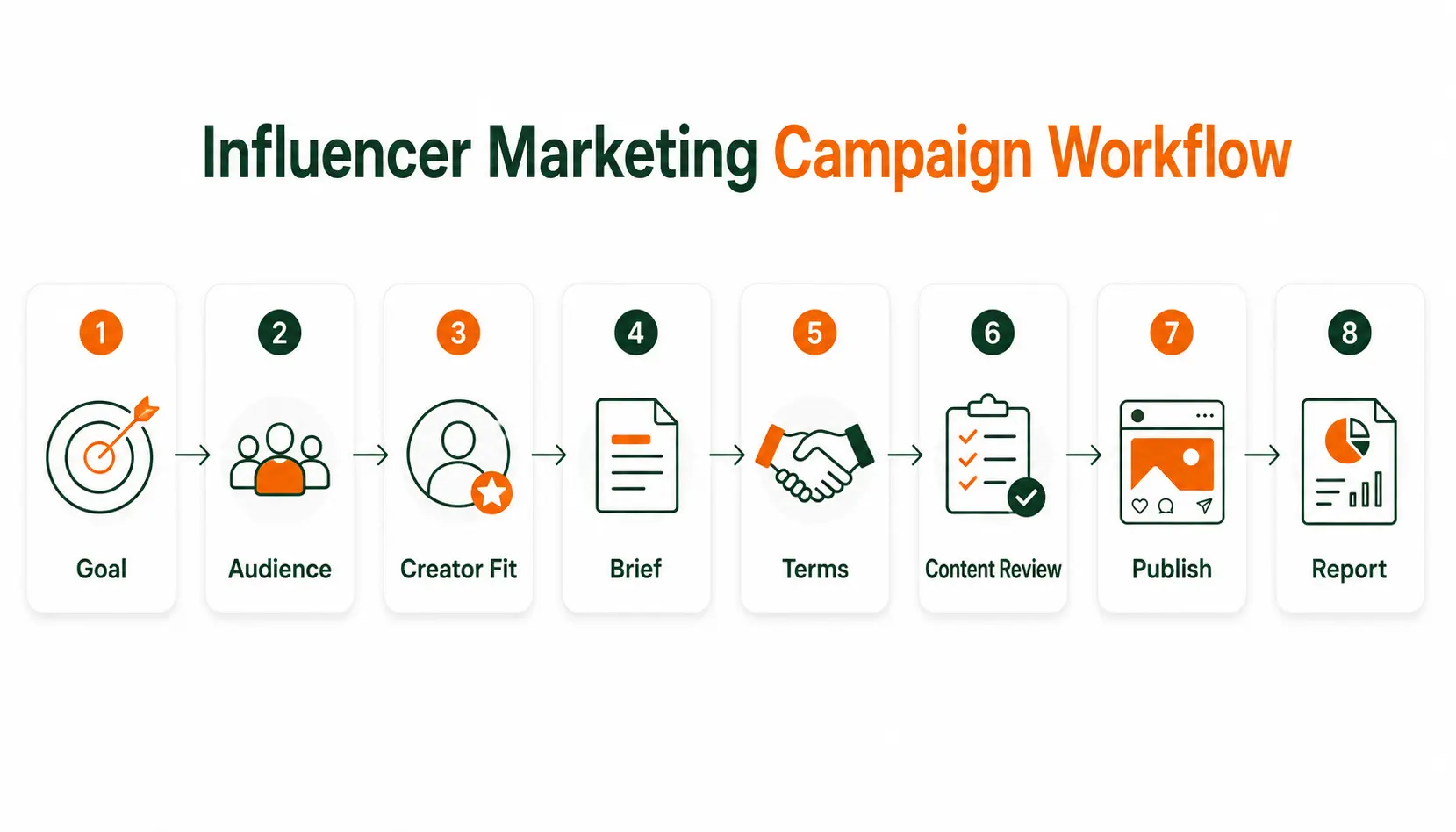
Influencer marketing works through a campaign workflow. The best campaigns are not random posts. They are planned around an audience, creator fit, content format, disclosure, usage rights, payment terms, and campaign tracking.
Basic influencer marketing campaign flow
|
1 | Define campaign goal | Awareness, UGC, leads, sales, app installs, event registrations |
2 | Choose audience | Age, city, language, interest, behavior, platform |
3 | Select creator type | Nano, micro, mid-tier, macro, mega, UGC, AI influencer |
4 | Build creator brief | Product details, do/don’t, message, disclosure, timeline |
5 | Agree on commercial terms | Fee, barter, affiliate, hybrid, usage rights |
6 | Review content | Brand safety, claim accuracy, legal disclosure |
7 | Publish and monitor | Views, saves, comments, clicks, coupon use, leads |
8 | Report and learn | What worked, what failed, what to repeat |
Benefits of Influencer Marketing for Indian Brands
Influencer marketing works best when the creator, audience, product, and campaign goal fit together. It is not a replacement for all marketing. It is a trust layer that can support social media marketing, paid ads, SEO, PR, affiliate sales, and brand building.
The main benefit is simple: people often trust creators because they feel closer to them than they feel to traditional advertising.
|
Trust and credibility | Creators already have audience attention, so the brand message feels more human | A skincare creator explains how a product fits into a daily routine |
Better audience fit | Brands can work with creators whose audience demographics match the target demographic | A Delhi café works with local food creators instead of national celebrities |
Content creation | Influencers create content that brands can use for social proof, ads, and product education | A UGC creator records five product demo videos for a D2C brand |
Brand awareness | Creator posts help products or services reach new targeted audiences | A new app uses student creators to reach college users |
Purchase decisions | Honest product demos, reviews, and personal use stories can support customer confidence | A tech creator compares features before a buyer chooses a device |
Community building | Nano influencers and micro influencers can create authentic connections with niche communities | A fitness brand works with running groups and local coaches |
Better conversion visibility | Coupon codes, affiliate links, and tracking links help brands understand campaign results | Each creator gets a unique link or code for reporting |
For Indian startups, this is useful because trust is expensive to build from zero. A creator with the right audience can introduce a product in a way that feels less forced than a standard ad.
Still, the creator must align with your brand. A large creator with the wrong audience can waste money. A smaller creator with a loyal targeted audience can sometimes create better campaign learning.
Types of Influencer Marketing
There are many types of influencer marketing. The right type depends on campaign goal, product category, budget, platform, and trust level.
|
Sponsored posts | Brand awareness and launch campaigns | Instagram Reel for a skincare brand |
UGC creator content | Ad creatives and product education | Creator records product demo videos for brand ads |
Affiliate campaigns | Sales and tracking | Creator shares a discount code |
Product seeding | Trial and review | Brand sends a product to nano creators |
Creator contests | Participation and engagement | Brand-sponsored challenge or campus contest |
Brand ambassador programs | Long-term recall | Creator posts monthly content for a brand |
Live commerce | Real-time selling | Creator hosts product demo on live video |
Expert-led influence | B2B trust | LinkedIn creator explains SaaS or HR tool |
AI influencer campaigns | Controlled virtual storytelling | Virtual character promotes fashion or tech product |
Amazon influencer content | E-commerce discovery | Amazon influencer storefront featuring curated products |
Influencer types by audience size
Indian influencer pricing changes by platform, niche, quality, audience trust, usage rights, exclusivity, and negotiation. The uploaded research gives indicative Instagram and YouTube pricing ranges across nano, micro, mid-tier, macro, and mega creators.
|
Nano influencer | 1K–10K | Local trust, community comments | Barter, sampling, campus campaigns |
Micro influencer | 10K–100K | Niche trust, strong engagement | Reels, UGC, product launches |
Mid-tier influencer | 100K–500K | Wider reach and content quality | Brand awareness, launch videos |
Macro influencer | 500K–1M | Large audience | Big launches and category campaigns |
Mega influencer | 1M+ | Mass visibility | National campaigns and cultural reach |
What Is UGC in Influencer Marketing?
What Is UGC in Influencer Marketing?
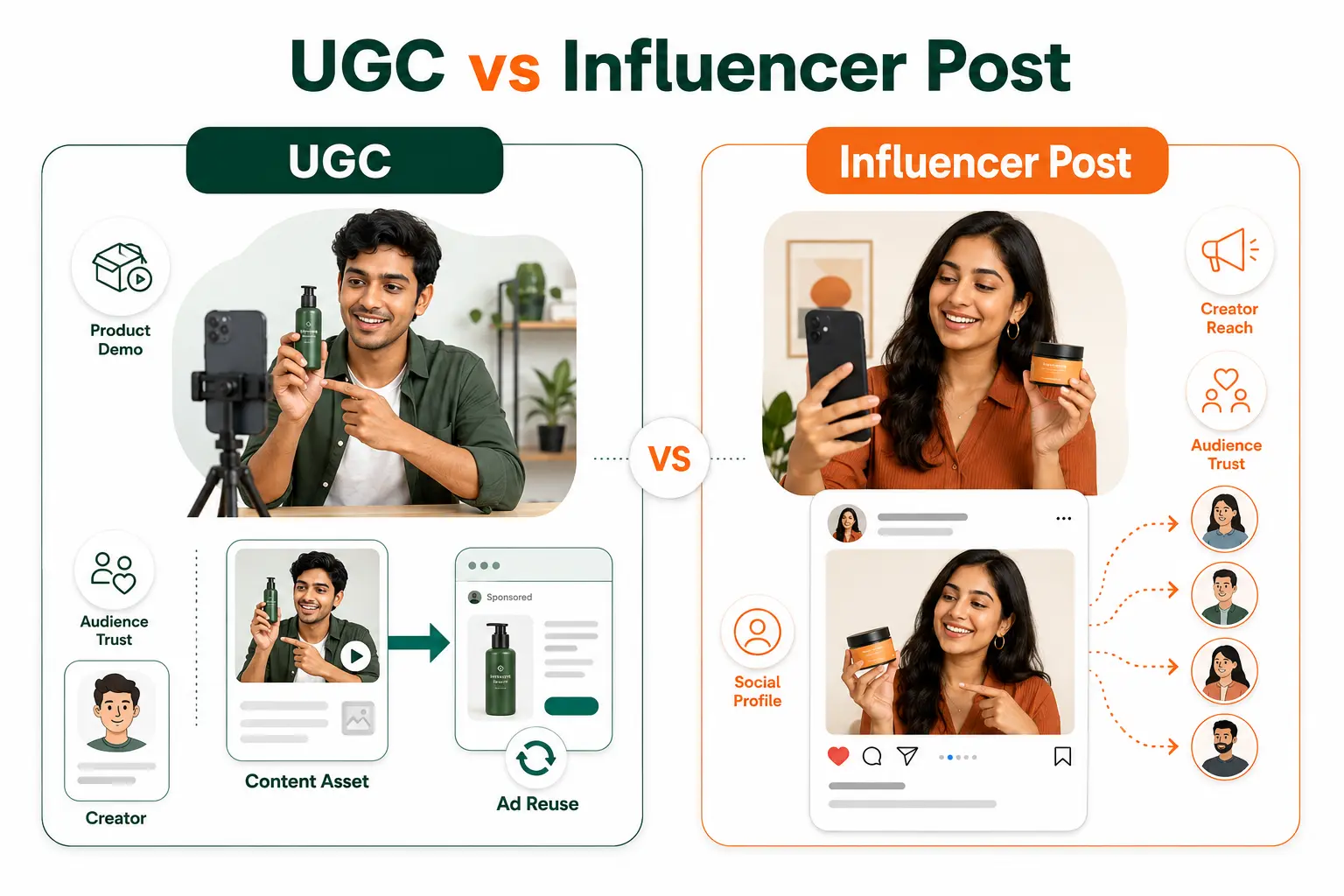
UGC in influencer marketing means user-generated content created by real users, customers, or creators. UGC usually means creator-style videos, product photos, reviews, testimonials, unboxings, tutorials, and relatable social media content.
UGC is different from a normal influencer post.
A normal influencer post is published on the creator’s account. UGC may be created by the creator but used by the brand on ads, product pages, social media, email, marketplace listings, or landing pages.
UGC vs influencer post
|
Main value | Content asset | Creator reach |
Published by | Usually brand, sometimes creator | Creator |
Best for | Ads, product demos, social proof | Awareness and audience trust |
Follower count needed | Not always | Usually yes |
Pricing logic | Content quality and usage rights | Reach, engagement, niche, platform |
Example | “How this product works” demo video | Instagram influencer posts product Reel |
For a startup, UGC can be more useful than hiring one large creator. Ten UGC videos can give a brand different hooks, stories, and ad angles.
Every platform has a different creator economy. Do not choose a creator only because they are popular. Choose the platform based on how your audience discovers, trusts, and buys.
Instagram influencer marketing
Instagram is strong for fashion, beauty, food, fitness, lifestyle, travel, entertainment, D2C products, and creator-led brand storytelling.
An instagram influencer can use Reels, Stories, carousels, Live, broadcast channels, paid partnership tags, and UGC-style videos. Instagram Subscriptions require a professional account, at least 10,000 followers, and the creator must be 18 or older.
Searches like instagram influencer girl, indian influencer girl, influencer girl, and instagram influencer girl viral usually come from users looking for fashion, lifestyle, beauty, entertainment, or viral Reels creators. Brands should not choose creators only because they are viral. They should review audience quality, comment quality, content style, and brand safety.
The right time to post on Instagram is not universal. A fashion influencer in India, a student creator, and a B2B founder will usually have different audience activity windows. Use Instagram Insights, test 3–4 time slots, and compare saves, shares, watch time, and profile visits.
YouTube influencer marketing
YouTube is strong for education, tech, finance, gaming, product reviews, explainers, long-form videos, and trust-heavy purchases.
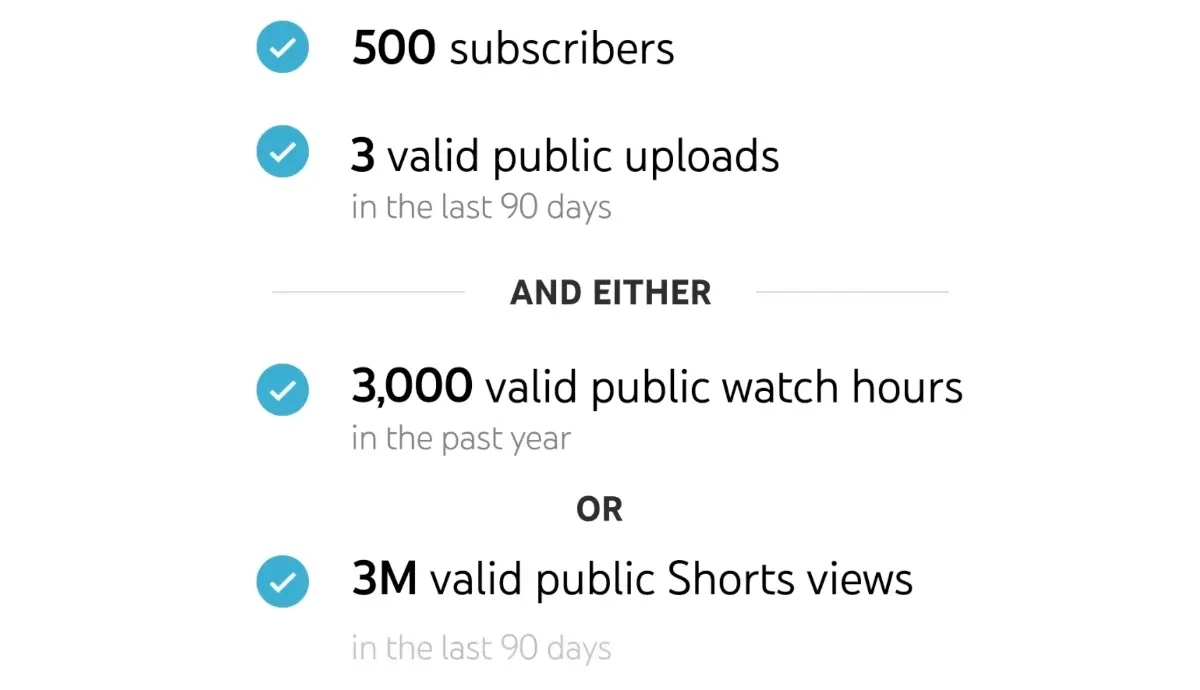
YouTube’s expanded Partner Program allows eligible creators to apply at 500 subscribers with 3 valid public uploads in the last 90 days and either 3,000 public watch hours in 12 months or 3 million valid public Shorts views in 90 days. Revenue-sharing benefits require higher thresholds such as 1,000 subscribers with 4,000 watch hours or 10 million Shorts views.
YouTube Shorts help discovery, while long-form videos help trust and search. YouTube Shorts monetisation works through a creator pool, and monetising creators keep 45% of allocated Shorts revenue.
LinkedIn influencer marketing
LinkedIn is strong for B2B, founders, SaaS, HR, leadership, hiring, finance education, sales, productivity, and professional services.
A LinkedIn creator may have fewer followers than an Instagram influencer, but the audience may be more valuable for B2B. LinkedIn influence often turns into consulting leads, speaking opportunities, hiring demand, newsletter growth, and expert-led brand partnerships.
X influencer marketing
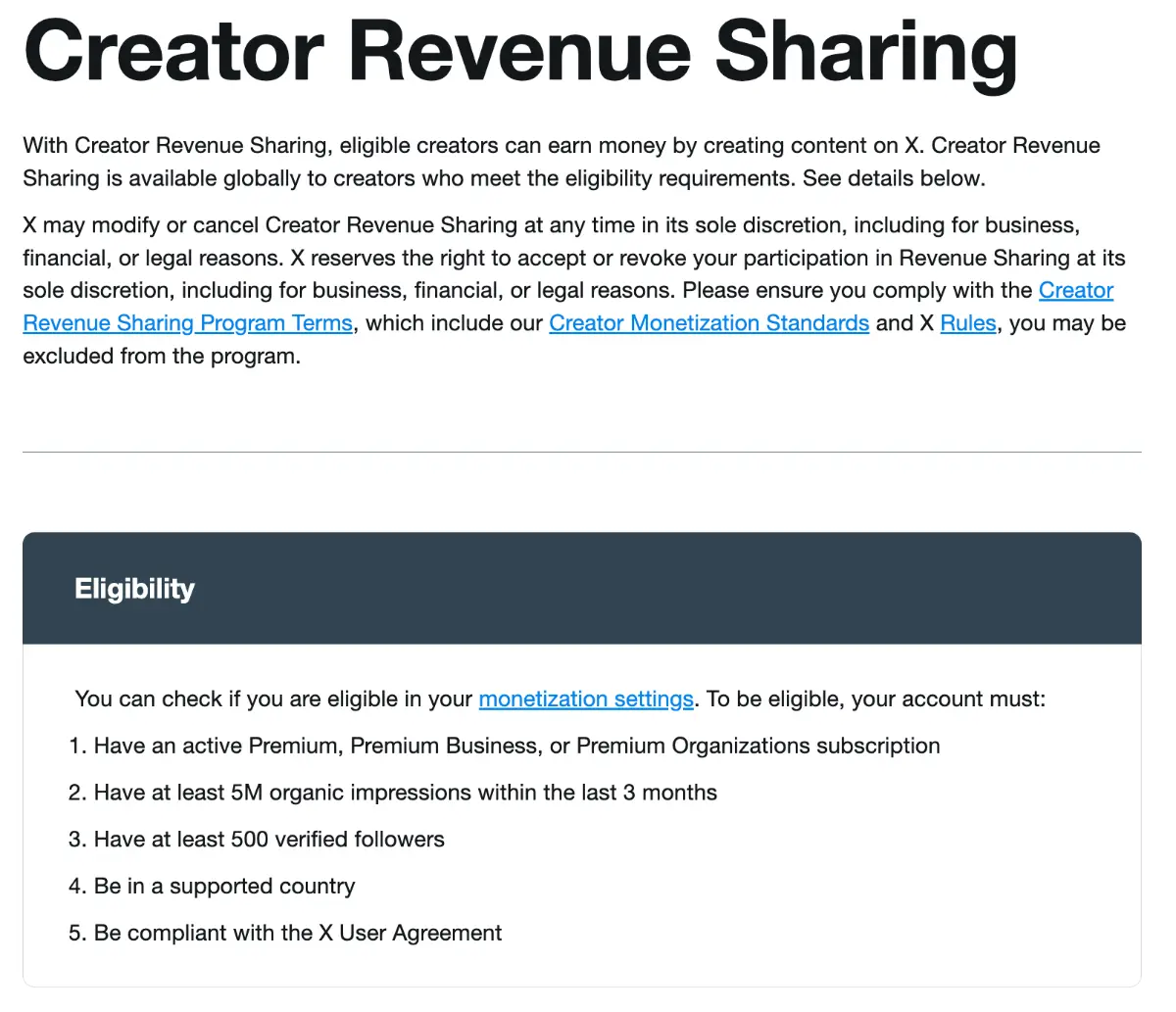
X works best for real-time commentary, tech, finance, sports, politics, startup conversations, and niche communities.
X Creator Revenue Sharing eligibility includes an active Premium-type subscription, at least 5 million organic impressions in the last 3 months, at least 500 verified followers, supported-country availability, and policy compliance.
X is useful for authority and conversation, but it is not always the best single platform for a creator career or influencer marketing campaign.
Facebook influencer marketing
Facebook remains useful in India for regional content, community pages, groups, family content, devotional content, local news, mature audiences, and longer video.
For brands, Facebook can work well when the audience is local, community-led, or not as active on Instagram.
Amazon influencer program
The Amazon influencer program allows eligible creators to recommend products through an Amazon influencer storefront. An Amazon influencer can curate product lists, share storefront links, and support e-commerce discovery.
The Amazon influencer program India search intent is usually from creators who want to know whether they can earn through recommendations, or from brands that want creators to support marketplace sales. This is different from a normal influencer marketing campaign because the creator’s storefront becomes a shopping layer.
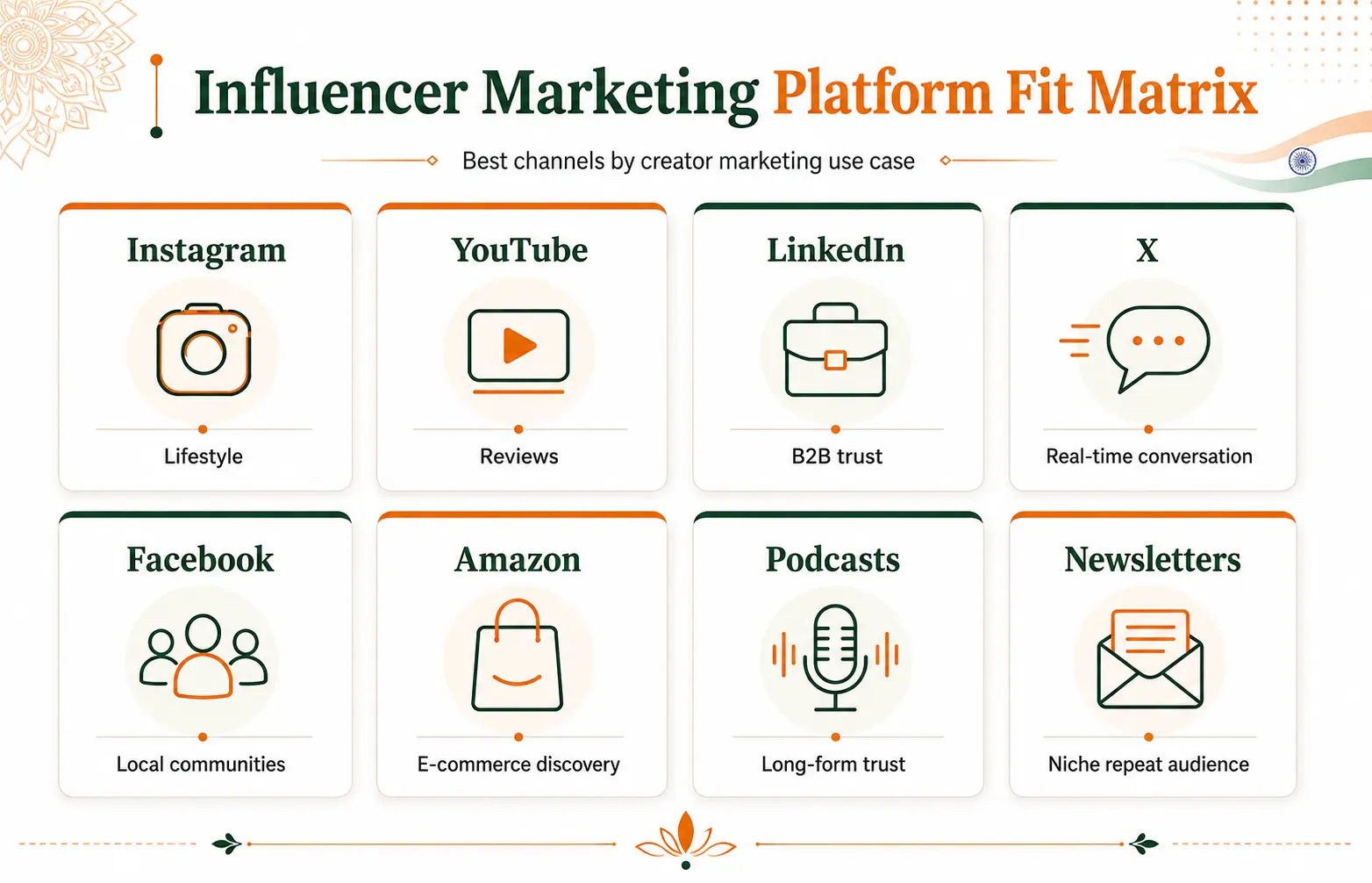
Platform-Fit Table: India and Global Influencer Marketing Channels
The right platform depends on audience behavior, content format, category, and buying journey. Indian brands should choose platforms based on where the target audiences actually spend time and how they make purchase decisions.
|
Instagram | Fashion, beauty, food, lifestyle, travel, D2C, events | Nano, micro, mid-tier, macro influencers | Reels, Stories, UGC, launch campaigns |
YouTube | Tech, education, finance, gaming, reviews, explainers | Micro, macro, expert creators | Deep reviews, explainers, Shorts, tutorials |
LinkedIn | B2B, SaaS, HR, hiring, consulting, founder-led marketing | Industry experts, founders, operators | Thought leadership, lead generation, webinars |
X | Tech, startups, finance, news, commentary | Experts, commentators, niche voices | Authority, real-time conversations, launch buzz |
Facebook | Regional India, community groups, local content | Local creators, community admins | Local campaigns, mature audiences, group-led trust |
Amazon | E-commerce product discovery | Amazon influencers, review creators | Storefronts, product curation, affiliate sales |
Pinterest | Global lifestyle discovery, home, fashion, decor | Creative and visual creators | Mood boards, shopping discovery, evergreen traffic |
Twitch | Global gaming and live community | Gaming creators, streamers | Live sponsorships, gaming launches, community campaigns |
Podcasts | B2B, education, founders, health, finance | Experts, hosts, category voices | Trust building, long-form audience education |
Newsletters | Niche professional communities | Writers, analysts, educators | High-trust recommendations and repeat attention |
For India, Instagram, YouTube, Facebook, LinkedIn, and Amazon usually matter more for most creator-brand campaigns. Global-first brands may also test Pinterest, Twitch, podcasts, or newsletters when the audience fit is clear.
B2B vs B2C Influencer Marketing
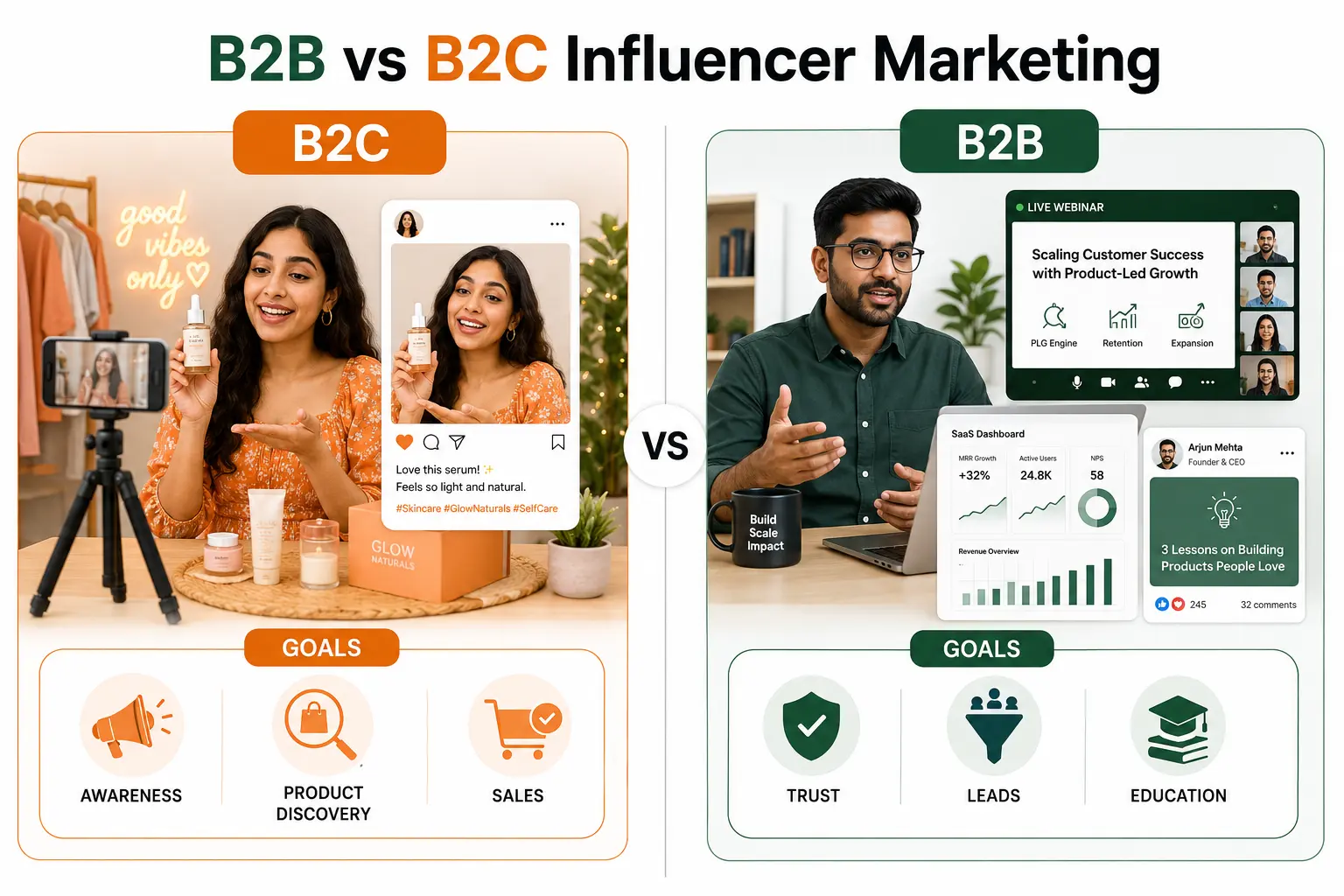
B2B vs B2C Influencer Marketing
Influencer marketing is not only for beauty, fashion, food, or lifestyle brands. B2B companies can also use creators, experts, operators, consultants, founders, educators, and niche community voices.
The difference is the buying journey. B2C influencer marketing usually supports faster awareness and product discovery. B2B influencer marketing usually supports trust, education, lead quality, and long-term brand building.
|
Common platforms | Instagram, YouTube, Facebook, Amazon | LinkedIn, YouTube, X, podcasts, newsletters |
Main goal | Awareness, product discovery, sales | Trust, authority, leads, education |
Creator type | Lifestyle, beauty, fashion, food, tech, parenting | Founders, consultants, industry experts, educators |
Content style | Reviews, Reels, Shorts, demos, UGC | Expert posts, webinars, explainers, case-led content |
Audience decision | Emotional, social, price, convenience | Trust, proof, authority, internal approval |
Measurement | Coupon codes, sales, clicks, reach | Leads, demo requests, newsletter signups, profile visits |
For example, a SaaS company may not need a viral Instagram influencer. It may need a LinkedIn creator who speaks to HR heads, startup founders, or sales leaders. A food brand may need the opposite: local creators who can show real product use and community appeal.
Influencer Marketing Strategy for Indian Brands
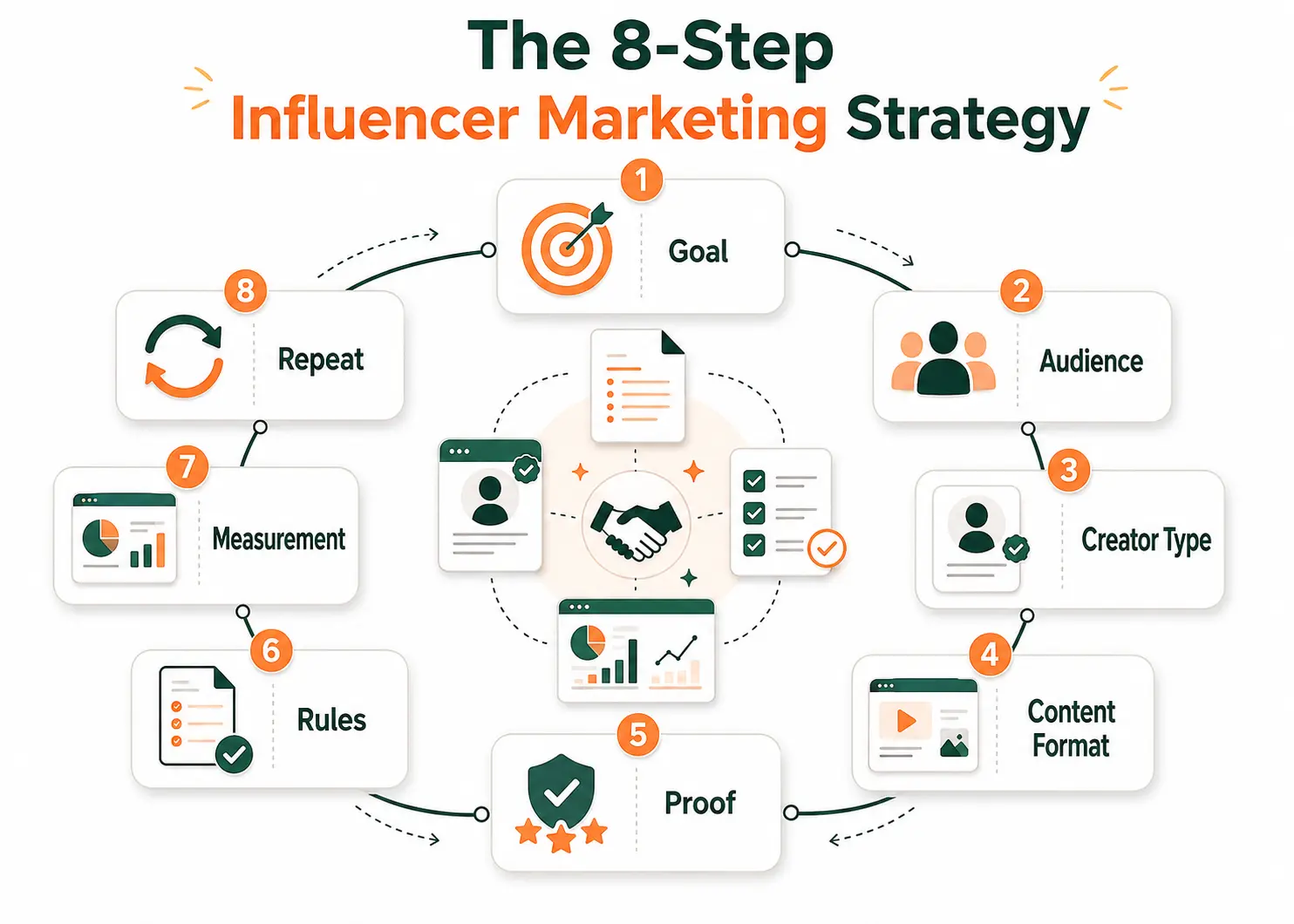
Influencer Marketing Strategy for Indian Brands
A strong influencer marketing strategy starts with the customer, not the creator.
Before you choose an influencer marketing agency, influencer marketing platform, influencer marketing app, or influencer marketing software, answer one question:
What are we trying to change in the customer’s mind?
The Cloutaura 8-Step Strategy Framework
|
1 | What is the goal? | Awareness, UGC, leads, sales, trust, downloads, launch |
2 | Who is the audience? | Define city, language, age, interest, platform |
3 | What creator type fits? | Nano, micro, mid-tier, macro, expert, UGC, AI influencer |
4 | What content format fits? | Reels, Shorts, stories, reviews, lives, carousels, Amazon storefront |
5 | What proof is needed? | Demo, testimonial, before-after, expert view, personal use |
6 | What are the rules? | Disclosure, claims, usage rights, music, timeline, payment |
7 | What will be measured? | Reach, saves, clicks, coupon use, leads, cost per asset |
8 | What repeats? | Keep winning hooks, creators, formats, and audience segments |
Brand checklist before hiring influencers
Check creator-audience fit. Review comments, not only followers. Ask for profile analytics. Check old brand collaborations. Confirm disclosure language. Agree on usage rights and whitelisting. Put deliverables in writing. Clarify payment stages. Track outcomes with links, codes, or UTM tags. Build a creator database for future campaigns.
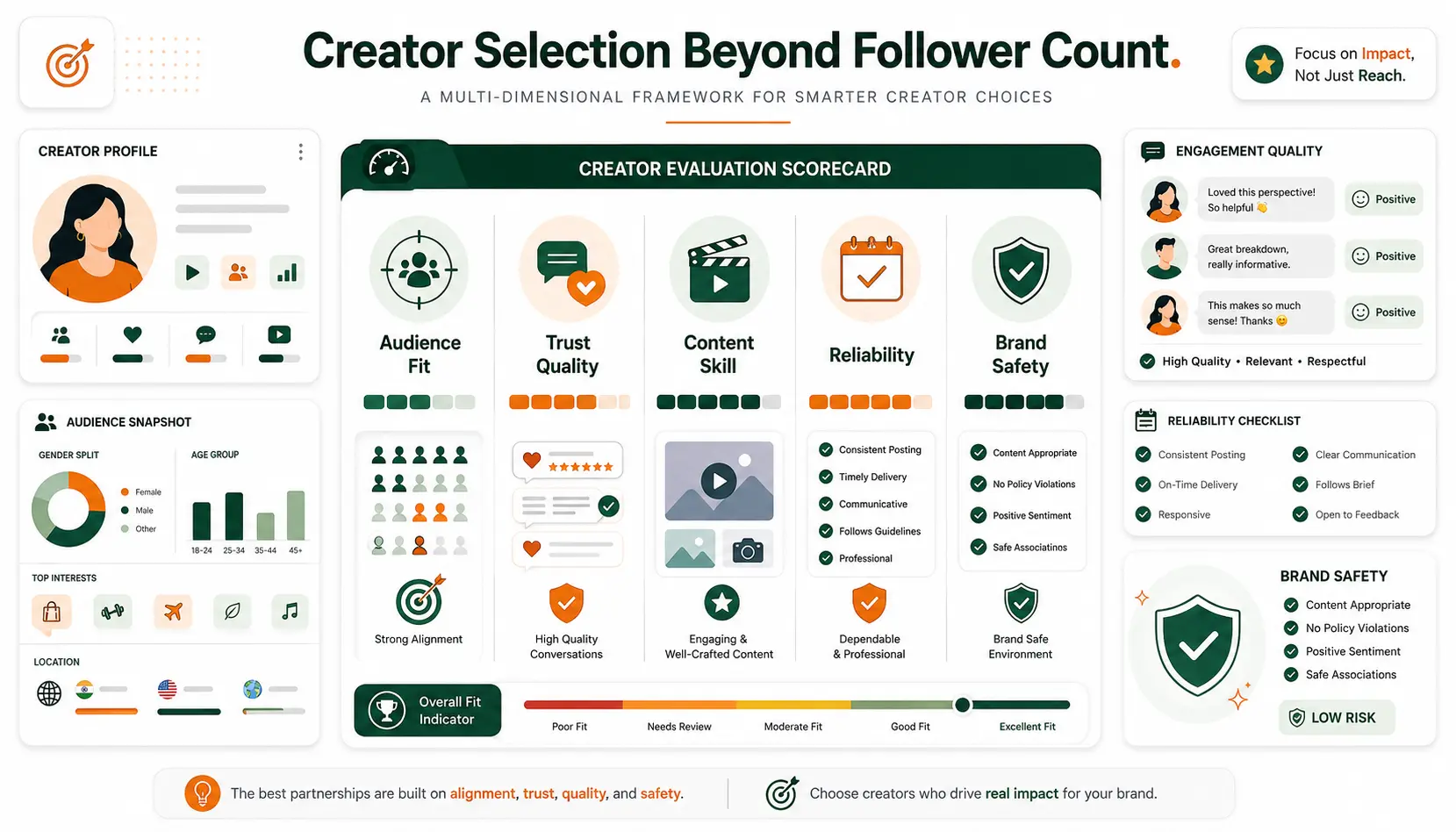
How to Choose the Right Influencer: Relevance, Reach, and Resonance
How to Choose the Right Influencer: Relevance, Reach, and Resonance
Brands often make one mistake: they start with follower count. Follower count matters, but it is not the full story.
A better creator selection model is Relevance, Reach, and Resonance.
|
Relevance | Does the creator match your category, audience, and message? | Niche, content style, audience demographics, location, language |
Reach | How many people can the creator expose your brand to? | Followers, views, impressions, platform strength |
Resonance | Does the audience actually respond? | Comments, saves, shares, DMs, watch time, repeat engagement |
If a brand sells products or services for college students, the creator’s target demographic should match that student audience. If a brand sells premium skincare, a viral comedy creator may not be the right fit even with high reach.
For local Indian campaigns, relevance often beats reach. A nano creator in Indore, Jaipur, Delhi NCR, Lucknow, or Dehradun may influence a small but highly targeted audience. A mega influencer may bring reach, but not always local action.
Working With Influencers: Practical Tips for Brands
Once the creator is selected, the work is not over. A good influencer marketing campaign needs clear communication, fair terms, and respect for the creator’s voice.
Here is the simple working process.
|
1. Share the campaign goal | Explain if the goal is awareness, UGC, leads, sales, or trust | The creator can shape content around the real outcome |
2. Give product context | Share product details, audience pain point, claim proof, and usage rules | Reduces inaccurate content |
3. Set content boundaries | Define do’s, don’ts, disclosure, music, words to avoid, and legal limits | Protects both brand and creator |
4. Allow creative freedom | Let creators speak in their natural style | Keeps the content believable |
5. Confirm deliverables | Write the number of posts, formats, timelines, edits, and usage rights | Prevents confusion later |
6. Agree on payment terms | Define fee, barter, affiliate link, coupon code, bonus, and payout timeline | Builds creator trust |
7. Track results | Use tracking links, UTM tags, coupon codes, platform analytics, and reports | Shows what worked |
8. Build long-term relationships | Keep strong creators in a database for future campaigns | Improves consistency and lowers repeated discovery effort |
The best creator relationships are not only transactional. Long-term creator partnerships can help brands build familiarity, content consistency, and stronger audience trust.
Brands looking for structured influencer marketing services can review Cloutaura’s influencer marketing agency India page or compare what to look for in the best influencer marketing agency in India without relying only on follower count.
Influencer Marketing Examples for India
Influencer marketing examples should feel practical. Here are campaign ideas that can work for Indian brands.
|
Skincare D2C brand | 20 UGC videos showing skin routine and texture | Beauty micro influencers, UGC creators |
Fitness app | 30-day Reels challenge | Fitness creators, student creators |
College festival sponsor | Campus creator contest | Student creators and nano influencers |
Food delivery brand | Local food trail videos | Regional food influencers |
Fintech app | Education-led explainers with disclaimer | Qualified finance educators |
Fashion brand | Styling series by fashion influencer | Fashion influencer in India, fashion influencer Instagram |
SaaS company | LinkedIn founder-led creator posts | B2B creators and operators |
Amazon seller | Amazon influencer storefront product curation | Amazon influencer creators |
Travel brand | Regional language travel itinerary videos | Travel creators and local creators |
AI tool | “Build with AI” creator demo videos | Tech creators and AI educators |
A search like fashion influencer criticizes bollywood actors shows a different kind of influence: creator commentary can shape public conversation. For brands, that means influencer selection must include brand safety, tone, and content history. A creator with reach but poor judgment can create avoidable risk.
How to Become an Influencer
Searches like how to become an influencer, how to become influencer, how to become a successful influencer, and how to become an instagram influencer usually come from beginners who want a clear path.
Here is the practical path.
Creator path from zero to professional
|
Start | Pick niche, post consistently, learn hooks | Barter, small UGC work |
Build | Improve visuals, captions, audience replies | Nano campaigns |
Grow | Create repeatable series, use analytics | Micro influencer marketing |
Monetise | Build media kit, rate card, contracts | Sponsored content, affiliate |
Professionalise | Add editor, manager, CA, legal support | Long-term brand work |
Expand | Courses, products, community, events | Brand ambassador, IP partnerships |
How to become an influencer in 2026 and beyond
The year matters less than the system. A creator trying to understand how to become an influencer in 2026 or 2027 should focus on five basics:
Pick one niche before chasing every trend. Build one repeatable format. Post videos and still content based on platform fit. Study audience retention and comments. Keep a simple media kit ready. Use AI for research, captions, scripts, and editing support. Avoid copying other creators. Disclose paid work clearly. Build a small email list or community outside social media. Protect mental health and privacy.
A fashion influencer may start with affordable styling, thrift finds, Indian festive outfits, or fashion criticism. A fashion influencer in India may grow faster by using local language, city-specific style, body-type-based styling, and occasion-led content. A fashion influencer Instagram strategy should mix Reels, carousels, try-on videos, outfit breakdowns, and story polls.
Many brands search for influencer marketing agency, influencer marketing agency india, influencer agency, influencer marketing company, influencer marketing platform, influencer marketing tools, best influencer marketing tools, and influencer marketing software.
These are related, but not the same.
|
Influencer marketing agency | Plans and manages campaigns | Brands that want service support | Higher cost, agency dependency |
Influencer marketing platform | Helps discover and manage creators | Brands that want control and structure | Requires internal marketing clarity |
Influencer marketing software | Tracks creators, outreach, contracts, analytics | Large campaign teams | Can become tool-heavy without strategy |
Influencer marketing app | Mobile-first discovery or creator participation | Creators, startups, campaign teams | Quality depends on verification and workflow |
Influencer hub | Central creator database or community | Agencies, brands, creator networks | Needs active updating |
Social brand hub | Brand-led campaign center | Multi-campaign teams | Needs good reporting discipline |
Influencer website | Creator portfolio or brand discovery page | Creators and agencies | Needs proof, case studies, and rates |
What to look for in the best influencer marketing agency
No brand should choose a vendor only because it claims to be the best influencer marketing agency or the best influencer marketing agency in India.
Use this checklist instead:
|
Creator verification | Reduces fake profile risk |
Audience fit | Improves campaign relevance |
Usage rights clarity | Prevents content disputes |
Transparent pricing | Makes budgets easier to plan |
Disclosure support | Helps brand safety |
Payment workflow | Reduces creator friction |
Reporting | Shows what worked |
Micro and nano creator access | Helps cost-aware campaigns |
India-first creator discovery | Supports regional and local campaigns |
Brands in Delhi NCR searching for the best influencer marketing agency in Delhi should still compare creator access, campaign workflow, content review process, regional creator strength, and reporting clarity.
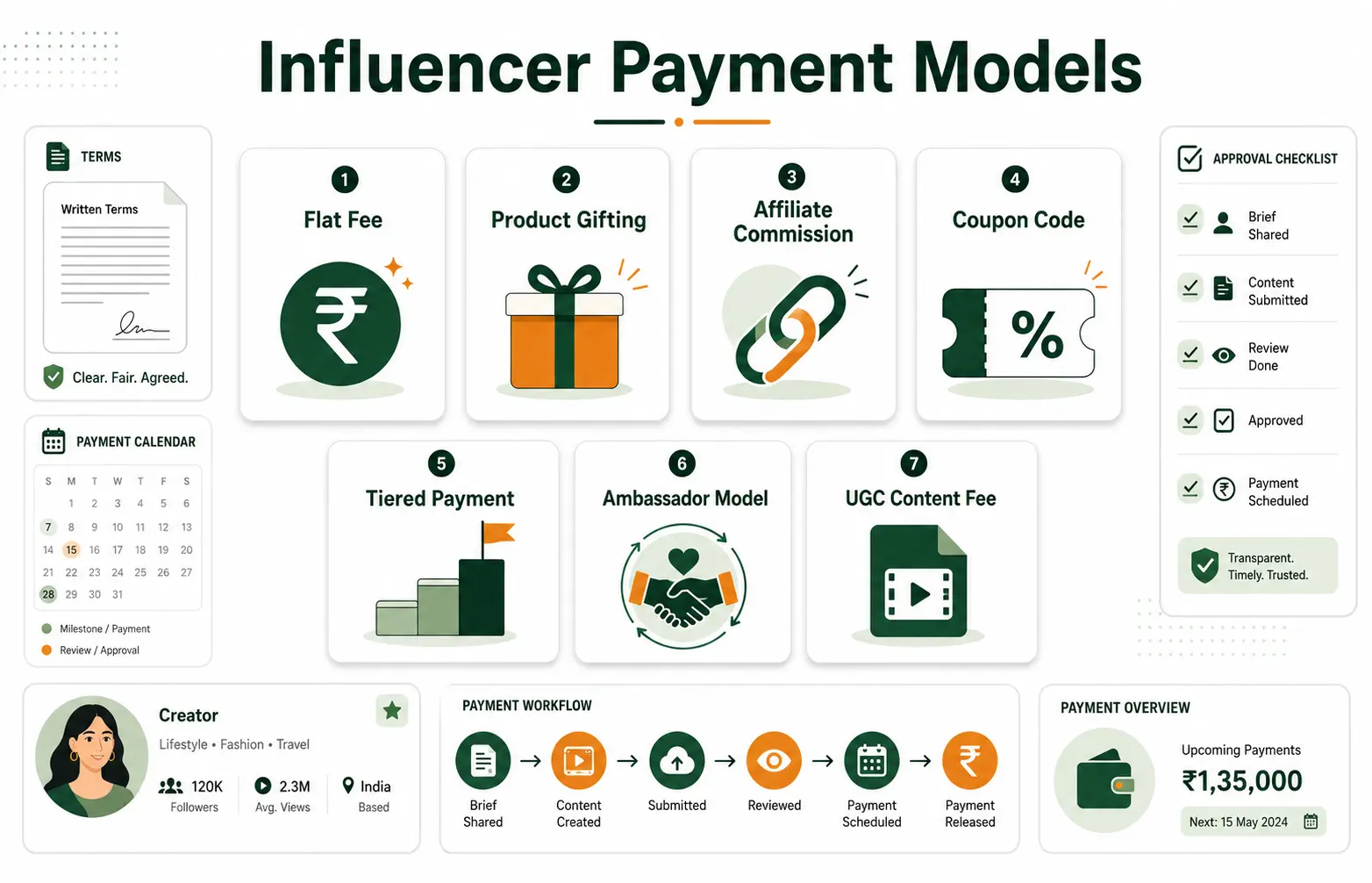
Influencer Payment Models Brands Should Know
Influencer Payment Models Brands Should Know
Influencer payment is not only about a single post fee. The right model depends on creator size, content quality, usage rights, category, timeline, and campaign goal.
|
Flat fee | Fixed deliverables such as Reels, Shorts, Stories, or posts | Clarify number of edits, posting date, and usage rights |
Product gifting / barter | Early-stage campaigns, nano creators, product seeding | Do not assume every creator will accept only free products or services |
Affiliate commission | E-commerce, Amazon storefronts, D2C brands | Use clear affiliate links, coupon codes, and reporting rules |
Coupon-code model | Sales tracking and creator-wise attribution | Discount misuse and attribution gaps |
Tiered payment | Base fee plus bonus for agreed milestones | Avoid vague bonus terms |
Long-term ambassador model | Ongoing brand building and repeat campaigns | Define exclusivity, monthly deliverables, and renewal terms |
UGC content fee | Paying for content assets, not creator reach | Clarify where the brand can reuse the content |
For Indian brands, the safest starting point is written clarity. Even a small campaign should define deliverables, usage rights, payment dates, disclosure language, cancellation terms, and approval steps.
For creators, this clarity protects time and effort. For brands, it reduces dispute risk and makes campaign reporting easier.
AI Influencer, AI Influencer Generator, and Virtual Creator Campaigns
AI Influencer, AI Influencer Generator, and Virtual Creator Campaigns
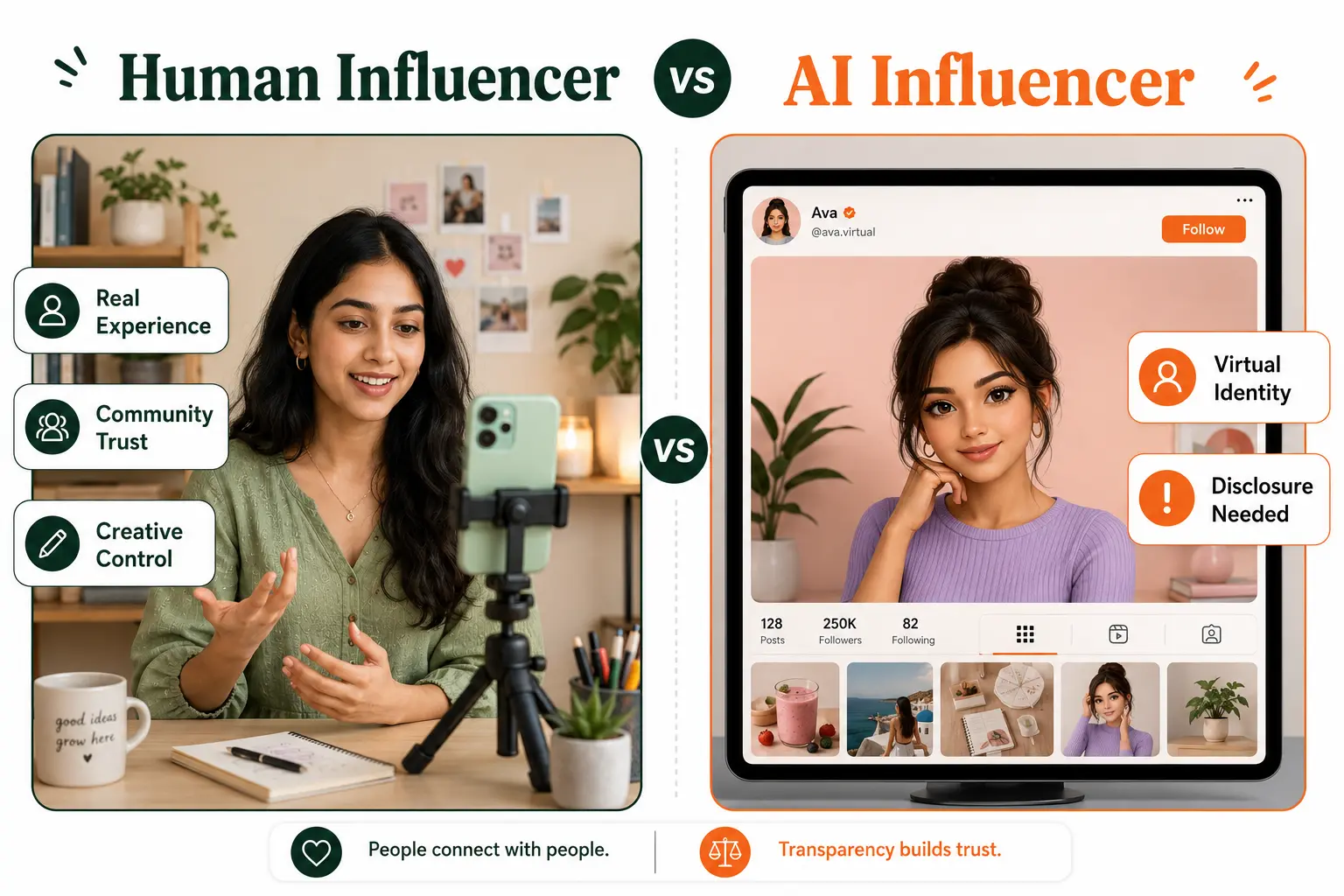
AI is changing influencer marketing, but it is not replacing human trust.
An AI influencer is a virtual character created using design, animation, 3D tools, or generative AI. A brand may use an ai influencer generator, an ai influencer generator free tool, or a professional creative team to build a virtual persona.
Some people search make influencer ai when they mean “make an AI influencer.” The safer publishing phrase is make an AI influencer, but the search phrase shows rising curiosity.
AI influencer vs human influencer
|
Trust source | Real life, personality, lived experience | Character design and storytelling |
Control | Less predictable | More controllable |
Cost | Varies by creator | Varies by production model |
Compliance | Paid partnership disclosure | Paid partnership + virtual identity disclosure |
Best use | Trust, relatability, community | Brand mascot, fictional storytelling, controlled campaigns |
Risk | Reputation, creator behavior | Transparency, synthetic media confusion |
ASCI’s influencer guidelines say a virtual influencer must disclose that consumers are not interacting with a real human, and disclosure must be upfront and prominent.
The Department of Consumer Affairs also released endorsement guidance for celebrities, influencers, and virtual influencers, stating that disclosures must be clear and hard to miss when there is a material connection with the advertiser.
Influencer Marketing Jobs and Career Paths
Influencer marketing jobs are no longer limited to “find influencers and send DMs.” The creator economy now needs people who understand content, media, data, compliance, payments, brand safety, and community.
Common influencer marketing jobs
|
Influencer marketing executive | Finds creators, tracks outreach, coordinates posts |
Creator partnerships manager | Builds creator relationships and handles negotiations |
Campaign manager | Runs timelines, briefs, approvals, reporting |
UGC strategist | Plans creator-style videos for ads |
Talent manager | Represents creators and negotiates brand deals |
Influencer analyst | Reviews engagement, audience quality, and campaign data |
Creator community manager | Builds creator hubs and community participation |
Affiliate manager | Handles coupon codes, tracking, and commission models |
AI creator producer | Builds AI influencer concepts, scripts, and media assets |
Compliance reviewer | Checks disclosures, claims, and usage rights |
An influencer marketing company can offer many of these services, but brands should still understand the basics. Outsourcing works better when the internal brief is clear.
Influencer Marketing Campaigns: Metrics That Matter
A strong influencer marketing campaign is not measured only by views.
Views matter, but they do not tell the whole story.
Better campaign metrics
|
Awareness | Reach, views, impressions, follower growth |
Trust | Saves, comments, DMs, watch time, profile visits |
Consideration | Link clicks, landing page visits, product page views |
UGC | Number of usable videos, hooks tested, ad performance |
Sales | Coupon code use, affiliate sales, conversion rate |
Community | Poll votes, contest entries, shares, repeat engagement |
Creator quality | Completion rate, dispute history, brand feedback |
Simple bar graph: how campaign goals change measurement
Awareness ██████████ reach, views, impressions
Trust █████████ saves, comments, watch time
Consideration ████████ clicks, visits, DMs
Sales ██████ coupon use, purchases
Retention ████ repeat creators, repeat buyers
Campaign Tracking Setup: Links, Codes, UTMs, and Reports
Influencer marketing should not depend on guesswork. Brands need a simple tracking setup before the first post goes live.
|
UTM links | Website traffic and landing pages | Which creator, platform, or format brought visits |
Tracking links | Click measurement and creator-wise reporting | Creator-level clicks and campaign traffic |
Coupon codes | E-commerce and D2C sales | Creator-wise conversions and discount usage |
Affiliate links | Commission-based campaigns | Sales, payout logic, and purchase path |
Platform analytics | Content performance | Reach, views, engagement rates, saves, shares, watch time |
Landing pages | Lead generation | Form fills, demo requests, signups, conversion rates |
Creator report screenshots | Manual campaign review | Proof of views, audience demographics, and post-level data |
Before launch, brands should decide what success means. Awareness campaigns may focus on reach and engagement rates. Sales campaigns may focus on conversion rates, coupon use, and affiliate sales. Brand building may need repeat creator content, comments, saves, and audience sentiment.
Limitations and Risks of Influencer Marketing
Influencer marketing can work well, but it is not automatic. Brands can lose money when they choose creators only by follower count, skip contracts, ignore audience quality, or fail to track performance.
|
Poor creator fit | The influencer may not align with your brand or audience | Review content style, values, and audience quality |
Authenticity issues | Followers may reject forced promotions | Give creators room to speak naturally |
Reputation risk | Creator controversy can affect the brand | Check old content and public behavior |
Limited message control | The final post may not match brand expectations | Use clear briefs, contracts, and review steps |
Measurement difficulty | Sales may not be easy to attribute | Use UTM links, coupon codes, affiliate links, and landing pages |
Budget mismatch | High creator fees may not match outcomes | Test with nano influencers and micro influencers before scaling |
Short-term impact | One post may not build lasting trust | Build long-term creator relationships |
Fake followers | Reported reach may not reflect real audience influence | Check engagement quality, audience demographics, and comment patterns |
Overdependence on one platform | Algorithm changes can reduce reach | Use a mix of platforms, creator content, and owned channels |
A smart influencer marketing strategy accepts these risks early. It does not promise guaranteed ROI. It creates better ROI visibility through clear goals, creator checks, written terms, tracking links, and honest reporting.
Legal, Disclosure, Tax, and Brand Safety Rules
Influencer marketing is now a professional channel. That means brands and creators must treat disclosures, claims, taxes, contracts, and content rights seriously.
Disclosure rules
ASCI states that social media influencer advertisements must carry a disclosure label that clearly identifies the post as an advertisement. It also says disclosures should not be buried in hashtags, bios, or places where users need to click “more.”
The Department of Consumer Affairs says influencers and virtual influencers must disclose material connections, including money, trips, hotel stays, media barters, free products, discounts, gifts, and personal or employment relationships.
GST and TDS basics for creators
Creators who provide services may need GST registration when aggregate turnover crosses the applicable registration threshold; CBIC’s FAQ refers to ₹20 lakh for general service threshold and ₹10 lakh for special category states.
For benefits or perquisites, Section 194R discussions commonly refer to 10% TDS when the value exceeds ₹20,000 in a financial year. Brands and creators should confirm treatment with a CA before publishing or executing high-value barter campaigns.
Legal safety checklist
|
Hidden sponsorship | Audience misled | Add clear #Ad, Sponsored, or Paid Promotion label |
Unverified claims | Legal and trust risk | Ask brand for claim proof |
Finance/health advice | Regulatory exposure | Use qualified experts and disclaimers |
Music copyright | Content takedown | Use licensed or platform-approved audio |
AI influencer confusion | Synthetic identity risk | Disclose virtual/AI identity |
Delayed payments | Creator frustration | Use written payment terms |
Usage rights confusion | Content dispute | Define where brand can reuse content |
Fake followers | Poor campaign result | Check engagement quality and creator verification |
Founder’s Note: A Practical View from Cloutaura
From my years in aviation operations, customer experience, pilot administration, and people leadership, one lesson has stayed with me: trust is built before pressure comes, not after it.
Creator marketing needs the same discipline. Brands need clarity. Creators need respect. Audiences need honesty. A campaign should not depend on guesswork, hidden terms, delayed payments, or vanity numbers.
At Cloutaura, the goal is to help India’s creators get a fairer stage and help brands discover creators with better trust signals. Deepk Singh Rawat’s founder profile highlights 22+ years across aviation, customer experience, operations, employee engagement, event management, marketing, and digital transformation, which shapes Cloutaura’s focus on fairness, transparency, and structured creator-brand workflows.
How Cloutaura Helps
How Cloutaura Helps
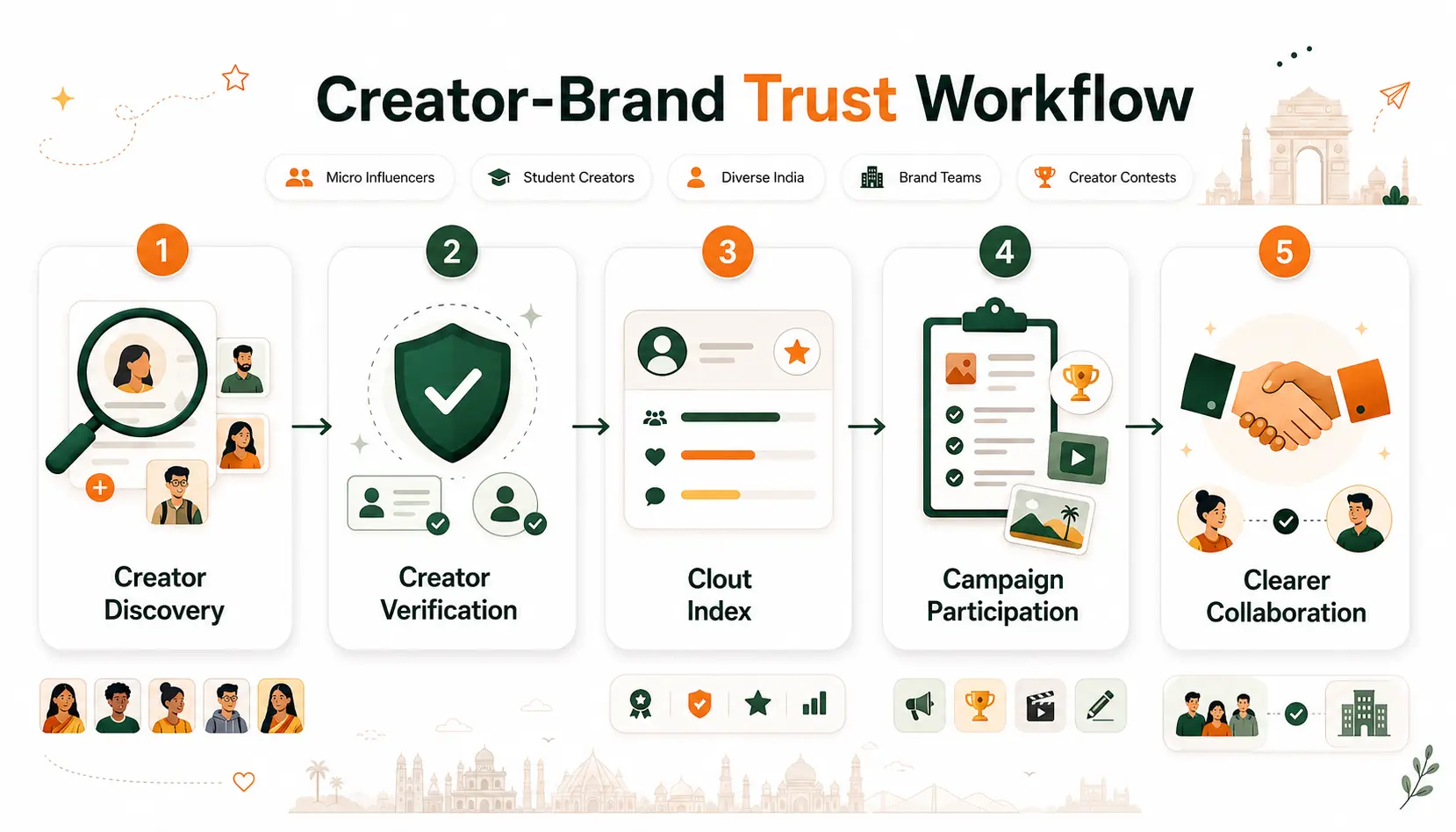
Cloutaura is being built for India’s creator economy as a creator contest, influencer marketing, live talent discovery, and creator-brand trust platform.
The core idea is simple: The World is Your Stage & Fame is Your Skill.
Cloutaura focuses on creator discovery, creator contests, micro and nano creators, creator verification, Clout Index, transparent collaboration, and clearer campaign workflows. The founder profile describes Cloutaura’s target users as aspiring creators, established creators, brands, advertising agencies, and viewers, with a focus on India, Tier 2, Tier 3, and Tier 4 cities, and brand-sponsored weekly and monthly contests as a key model.
For brands, Cloutaura can help with creator discovery, creator contests, campaign participation, brand sponsorship, and creator reliability signals. For creators, it can help with visibility, recognition, contests, potential campaign opportunities, and a more structured way to show work.
FAQs
FAQ 1: What is influencer marketing?
Influencer marketing is a digital marketing method where brands work with creators who have audience trust. The creator may promote a product, service, event, campaign, app, or idea through videos, posts, stories, lives, reviews, UGC, or affiliate links. It works best when the audience, creator, and brand message fit naturally.
FAQ 2: What is influencer marketing meaning in simple words?
Influencer marketing meaning is simple: a brand uses a trusted creator’s voice to reach people. The creator may be an Instagram influencer, YouTube creator, LinkedIn expert, Amazon influencer, UGC creator, or AI influencer. The goal is to build attention, trust, and action through social media content.
FAQ 3: What is UGC in influencer marketing?
UGC in influencer marketing means user-generated content created by real users or creators. It includes product videos, unboxings, reviews, tutorials, testimonials, and social media-style content. Brands use UGC in ads, landing pages, product pages, and campaign media because it feels more relatable than polished brand-only advertising.
FAQ 4: What is influencer marketing in digital marketing?
Influencer marketing in digital marketing is the use of creators inside a wider digital strategy. It can support social media marketing, paid ads, SEO, content marketing, affiliate marketing, e-commerce, and PR. Brands often use influencer marketing campaigns to build trust faster than standard ads alone.
FAQ 5: What are the main types of influencer marketing?
The main types of influencer marketing include sponsored posts, UGC content, affiliate campaigns, product seeding, brand ambassador programs, creator contests, live commerce, expert-led content, AI influencer campaigns, and Amazon influencer storefront promotion. The right type depends on campaign goal, product category, platform, and audience trust.
FAQ 6: How do I become an influencer?
To become an influencer, choose a niche, create useful content, post consistently, study audience response, improve your videos, build trust, and create a media kit. A beginner should focus on one format first. For Instagram, learn Reels, Stories, carousels, captions, hooks, and the right time to post on Instagram for your audience.
FAQ 7: What is the best influencer marketing agency in India?
There is no single best influencer marketing agency in India for every brand. The right choice depends on creator access, campaign workflow, pricing clarity, reporting, verification, disclosure support, and category experience. A strong influencer marketing agency should help brands choose creators by trust, fit, content quality, and campaign goal.
Influencer marketing tools help brands find creators, check engagement, manage outreach, track deliverables, review content, handle payments, and measure results. Influencer marketing software can support discovery, fraud checks, campaign reporting, affiliate tracking, and creator relationship management. Tools work better when the strategy is clear.
FAQ 9: What is an AI influencer?
An AI influencer is a virtual creator built using design, animation, 3D, or generative AI. Brands may use an AI influencer generator or AI media tools to create virtual personalities. AI influencers need clear disclosure because audiences must know when they are interacting with a virtual or synthetic character.
FAQ 10: What is the Amazon influencer program?
The Amazon influencer program lets eligible creators recommend products through an Amazon influencer storefront. An Amazon influencer can curate product lists and share storefront links with followers. The Amazon influencer program India search intent usually comes from creators wanting e-commerce monetisation or brands wanting marketplace discovery.
FAQ 11: What are influencer marketing jobs?
Influencer marketing jobs include influencer marketing executive, campaign manager, creator partnerships manager, talent manager, UGC strategist, affiliate manager, influencer analyst, creator community manager, and compliance reviewer. These roles need content understanding, communication, social media knowledge, negotiation, data tracking, and basic legal awareness.
FAQ 12: What is the right time to post on Instagram?
The right time to post on Instagram depends on your audience. A fashion influencer, student creator, B2B expert, and food creator may all have different peak times. Test morning, lunch, evening, and late-night slots for 30 days. Track saves, shares, watch time, comments, and profile visits instead of only likes.